
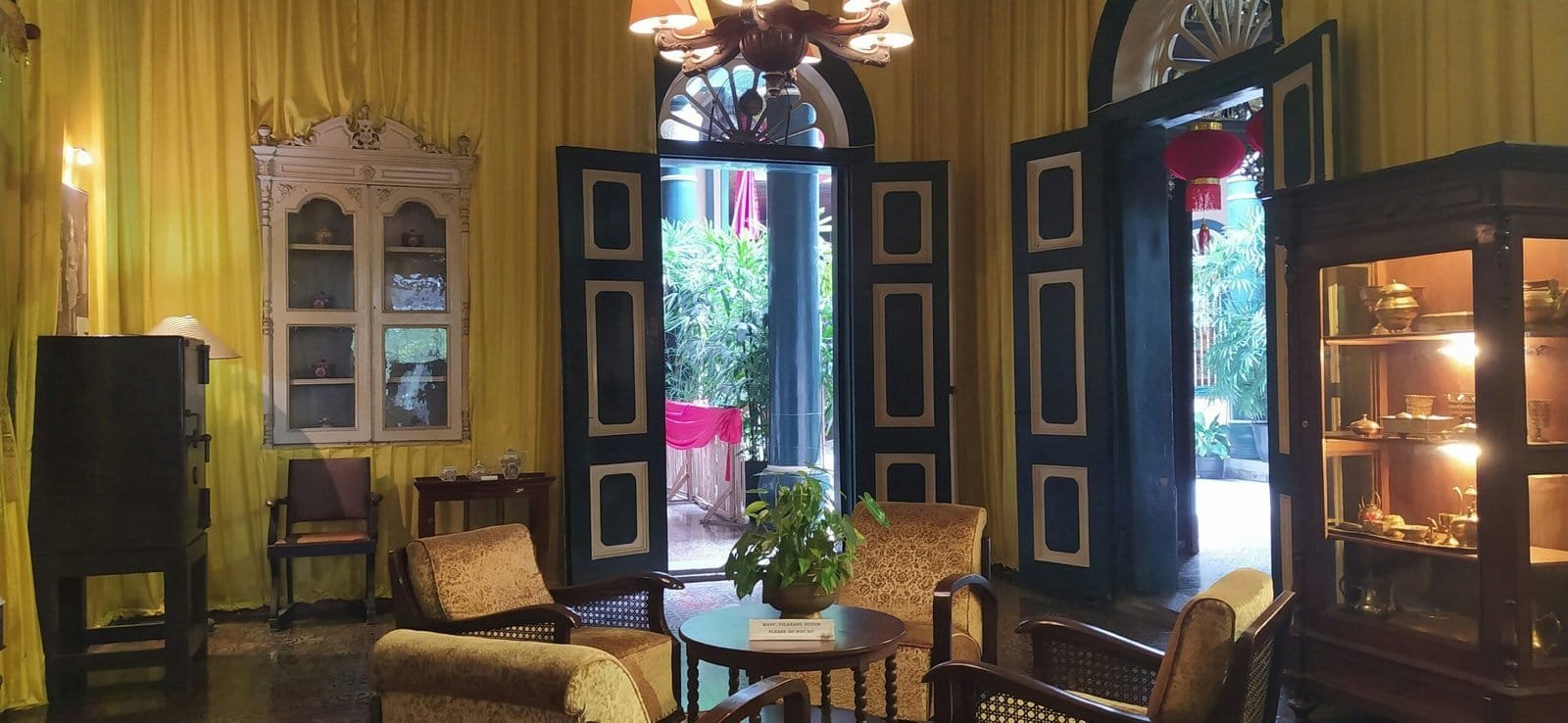
Introduction to Seongeup Folk Village
Seongeup Folk Village, located on Jeju Island, South Korea, is a captivating destination that exemplifies traditional Korean culture and heritage. This village is not merely a collection of old houses; it is a living museum showcasing the lifestyle, practices, and customs of the local community. The establishment of Seongeup can be traced back to the 18th century, during the Joseon Dynasty, a period characterized by a rich blend of Confucian and local beliefs. The village’s unique layout and structures reflect the historical architectural styles and materials of that era, providing visitors with an authentic glimpse into the past.
Designated as a cultural heritage site, Seongeup Folk Village holds great significance not only for Jeju Island but for South Korea as a whole. It has been recognized by the government as an Important Folklore Material, which emphasizes its value in preserving the Korean cultural identity. The village’s thatched-roof houses, stone walls, and traditional pottery serve as a testament to the skills and artistry passed down through generations. Visitors can observe how these structures harmonize with the surrounding natural beauty, further enhancing the village’s cultural landscape.
The community of Seongeup is characterized by its strong adherence to the traditions and customs of its ancestors. Local residents actively participate in the preservation of the village and its heritage, making it a living, breathing entity rather than just a historical site. Regular cultural events and festivals are held, offering visitors the opportunity to engage with the local community and experience traditional crafts, dances, and cuisine firsthand. This commitment to cultural preservation ensures that the rich heritage of Seongeup Folk Village continues to thrive, making it a central pillar of Jeju Island’s cultural narrative.
Getting to Seongeup Folk Village
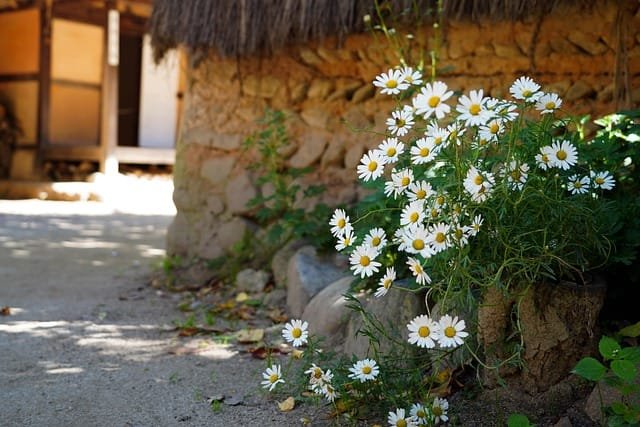
Reaching Seongeup Folk Village from various points on Jeju Island is a seamless process thanks to the efficient transportation options available. The village, noted for its well-preserved traditional Jeju lifestyle, is accessible through public buses, taxis, and car rentals, making it convenient for visitors to experience the cultural heritage it offers.
For those relying on public transportation, several bus routes connect major areas of Jeju Island to Seongeup Folk Village. The bus numbered 780 is particularly favorable, as it runs from Jeju City to Seongeup, providing direct service. Passengers can board this bus at the Jeju Intercity Bus Terminal. The journey typically takes around 30 to 40 minutes, offering a scenic view of Jeju’s rural landscapes along the way. Timetables can vary, so it’s advisable to check the schedule in advance to ensure a timely arrival.
Taxis are another viable option for reaching the village. While they may incur a higher cost compared to buses, they offer the advantage of comfort and convenience, especially for those traveling in groups or with luggage. A taxi ride from Jeju City to Seongeup Folk Village usually takes about 30 minutes and provides the opportunity for a door-to-door service. Tourists can easily hail taxis or use ride-hailing applications prevalent in the region.
For visitors who prefer more independence, renting a car is an excellent choice. Several rental agencies are available in Jeju City and other tourist areas. The self-drive experience allows tourists to explore the island at their own pace and discover hidden gems along the route to Seongeup Folk Village. The village is well-signposted, making navigation straightforward with any GPS system.
Regardless of the mode of transportation chosen, visitors can look forward to a cultural journey that begins the moment they set out to explore the captivating Seongeup Folk Village.
Architecture of Traditional Houses
The architecture of traditional houses in Seongeup Folk Village is a remarkable representation of Jeju’s cultural heritage and environmental adaptation. These houses, predominantly constructed with locally sourced materials, illustrate the ingenuity of the island’s residents in creating dwellings that harmonize with their surroundings. The primary building material is volcanic stone, which is abundant in the region. This stone is not only durable but also provides excellent insulation, making it ideal for managing Jeju’s unique weather conditions. In addition to stone, timber from native trees is often used in the construction process, showcasing the community’s reliance on natural resources.
One of the most distinctive features of these traditional houses is their thatched roofs, known as “giwa.” These roofs are made from reeds and grasses, effectively shielding the homes from heavy rains and strong winds typical of the island’s climate. The overhanging eaves protect the house’s walls from moisture, while the thermal properties of the thatch help regulate temperature, contributing to the overall comfort of the inhabitants. The architecture of these houses also reflects a functional design, integrating spaces for farming and livestock within the compound. This integration is vital for sustaining a self-sufficient lifestyle reflective of the community’s agrarian heritage.
The layout of the homes displays a hierarchical approach, where the arrangement of rooms signifies familial roles and status. The main living quarters are typically situated at the center, giving prominence to the family’s elders, while the outer areas may serve various purposes, such as kitchens or storage for agricultural tools. Furthermore, decorative elements often feature motifs that celebrate nature and prosperity, illustrating the deep-seated relation between the inhabitants and their environment. Overall, the traditional houses of Seongeup Folk Village encapsulate the essence of Jeju’s architectural identity, revealing not just the aesthetic but also the cultural significance behind each structural element.
Daily Life in the Village
Life in Seongeup Folk Village during its peak was deeply rooted in tradition and characterized by a range of customs that reflected the agrarian society of the time. The villagers primarily engaged in agriculture and fishing, activities that shaped their daily routines and community interactions. Farming was the cornerstone of life in this locale, with rice, barley, and various vegetables being cultivated using traditional methods that had been passed down through generations. Crop rotation tactics and natural fertilization techniques were often employed to enhance soil fertility and sustain harvest cycles.
In addition to farming, the village was known for its unique black pig farming, where villagers raised this breed for its distinctive taste and cultural significance. This practice not only provided sustenance but also served as a vital part of local festivals and ceremonies. Villagers participated in communal activities, reflecting their close-knit social structure. Festivities centered around planting and harvest seasons fostered unity, while also providing opportunities for socializing and cultural transmission. Elders shared knowledge of agriculture and fishing techniques, thus preserving their cultural heritage.
Social norms in the village were marked by strong familial ties and a communal spirit. Daily life included collaborative tasks, such as preparing meals, where all family members participated. Gender roles were distinct, with men focusing on farming and fishing, while women often managed the household and engaged in weaving and pottery. Such customs created a balanced ecosystem of productivity and support, allowing villagers to thrive together. Ultimately, these practices have left a lasting influence on modern Jeju, as aspects of traditional lifestyles continue to resonate within contemporary cultural celebrations and agricultural practices.
Cultural Practices and Festivals
Seongeup Folk Village serves as a vibrant embodiment of Jeju’s rich cultural heritage, showcasing a range of traditional practices and festivals that reflect the unique lifestyle of its inhabitants. Among the most prominent cultural practices is the ongoing preservation of ancient customs, such as traditional agricultural techniques and local crafts, which contribute to the authenticity of the village experience. Visitors to Seongeup Folk Village often have the opportunity to witness these practices firsthand, gaining insight into the daily lives of the residents.
One of the most significant aspects of cultural life in Seongeup Folk Village is the array of festivals that take place throughout the year. These festivals not only celebrate local traditions but also serve as a means of community bonding. For instance, the Jeju Fire Festival, held annually, is a highly anticipated event where villagers commemorate the beginning of spring by burning dry grass, which symbolizes the renewal of life and serves to improve agricultural productivity. Participants engage in rituals, performances, and traditional games, allowing visitors to immerse themselves in the festivities.
In addition to the Fire Festival, other notable celebrations include the Jeju Annual Stone Festival, which honors the island’s iconic volcanic stone culture. This festival provides visitors with a chance to experience traditional music, dance, and cuisine, all while learning about the historical significance of stone structures in Jeju’s history. Furthermore, the community collectively participates in rituals that invoke blessings and prosperity for the year ahead.
Overall, the cultural practices and festivals of Seongeup Folk Village play an essential role in preserving the legacy of the Jeju way of life. They not only offer visitors a unique opportunity to engage with local traditions but also foster a sense of community and continuity among the residents. Whether through participating in the festivals or simply observing the cultural practices, visitors gain valuable insights into the rich heritage that defines this remarkable village.
Local Cuisine and Traditional Foods
The local cuisine of Seongeup Folk Village serves as a vibrant representation of traditional Jeju lifestyle, showcasing a variety of unique dishes that have deep cultural significance. Influenced by the island’s geography and climate, Jeju’s cuisine heavily features fresh, locally-sourced ingredients, highlighting seafood, vegetables, and meats that are native to the region. A staple dish that embodies the essence of Jeju’s culinary heritage is heuk-dwaeji or black pork, renowned for its rich flavor and tenderness. This particular pork is often grilled and served with ssamjang (a special dipping sauce) and fresh greens, offering a delightful balance of flavors and textures.
Another traditional dish found in Seongeup is galchi-jjim, or braised hairtail fish, which is cooked with an array of vegetables and spices. The method of braising allows for the fish to absorb the rich flavors, creating a dish that is both savory and satisfying. Additionally, kimchi variations, made from local vegetables and seasonings, are integral to each meal, providing a spicy and fermented accompaniment to most traditional dishes.
Furthermore, Jeju’s culinary culture is enriched by dishes made from local produce, such as jeongol, a hearty stew often made with seasonal vegetables, mushrooms, and tofu. The cooking technique employed in preparing these dishes typically emphasizes slow-cooking, allowing the ingredients to meld together harmoniously while preserving the natural flavors and nutrients.
Visiting Seongeup Folk Village provides an opportunity not only to experience the architecture and lifestyle of this traditional community but also to savor these local delicacies. Engaging with the culinary traditions of the village offers a deeper understanding of the customs and values that have shaped Jeju’s identity through centuries.
Art and Crafts of the Village
The artistic expression found in Seongeup Folk Village is a testament to the rich cultural heritage of Jeju Island. Local artisans skillfully maintain traditional crafts that have been practiced for generations, ensuring that the unique customs and talents of the villagers are preserved. Pottery is one of the most prominent crafts, with its roots deeply embedded in the history of the village. The pottery produced here is often characterized by utilitarian and decorative items, showcasing the artisans’ mastery of various techniques, including glazing and firing methods that date back centuries.
In addition to pottery, weaving represents another key aspect of the local arts, with villagers creating intricate textile works that reflect the natural beauty of their surroundings. Traditional weaving is particularly notable for its use of indigenous materials, such as ramie and hemp, which contribute to the durability and quality of the finished products. This practice not only supports the local economy but also reinforces a sense of community as families often pass down techniques from one generation to the next. Weaving workshops are commonplace and serve as a way for visitors to engage with the craft while learning about its historical significance.
Moreover, the craft of creating handmade items extends beyond pottery and weaving, encompassing various forms of handicrafts that utilize local resources. From wooden carvings to traditional masks, each piece serves a functional or ceremonial purpose and adds richness to the cultural landscape of Seongeup. The vibrant aesthetics and practical applications of these crafts speak to the villagers’ deep-rooted connection with their environment and commitment to preserving their history. As such, the art and crafts of Seongeup Folk Village are not merely relics of the past but an evolving expression of the cultural identity of the community that continues to thrive today.
Important Landmarks and Notable Sites
Seongeup Folk Village, a captivating representation of Jeju’s rich cultural heritage, is home to a variety of significant landmarks and sites that encapsulate the essence of traditional life on the island. One of the most prominent structures is the Seongeup Folk Village Hall, which serves as an entry point to the village, providing essential information about its history and cultural practices. The hall offers visitors exhibits that showcase daily life in Jeju during the past centuries.
Another key site is the Stone Tower, a traditional symbol of the island’s agrarian culture. These towers, often made of volcanic rock, were used by farmers as markers for boundary lines and have become iconic representations of Jeju’s rural landscape. Visitors are invited to observe these towers, which are scattered throughout the village, reflecting the local customs and the connection of the inhabitants to their land.
Also of note is the Gujwa Cultural Center, which hosts a variety of cultural events and traditional performances. This space serves as an educational hub, emphasizing the importance of preserving Jeju’s local customs and traditions. The center frequently organizes workshops that highlight Jeju’s unique crafts, such as pottery and weaving, allowing visitors to engage directly with the island’s artisan heritage.
Natural features also enhance the village’s charm; the surrounding fields of tangerine trees are a beautiful sight, providing both picturesque views and insight into the agricultural practices that are a cornerstone of Jeju’s economy. The harmonious blend of these landmarks within Seongeup Folk Village not only enhances the aesthetic appeal but also serves as a living history lesson, offering profound insights into the village’s past and the evolution of Jeju’s cultural significance.
Tips for Visiting Seongeup Folk Village
When planning a visit to Seongeup Folk Village, several practical considerations can enhance your experience of this remarkable cultural site. To begin with, the best time to visit is during the spring and autumn months. In spring, the weather is pleasantly mild, and the blooming flowers create a picturesque landscape. Autumn, with its vibrant foliage, adds a stunning backdrop to the traditional thatched houses and stone walls of the village. This timing also helps avoid the peak summer crowds, allowing for a more intimate encounter with the local culture.
As for attire, it is advisable to wear comfortable clothing and sturdy shoes, as you will be walking along uneven paths and exploring outdoor spaces. Given the village’s rural setting, it is prudent to dress modestly, reflecting the local customs and respecting the residents. A light jacket may be necessary during cooler months, especially as evenings can become chilly.
Visitors should plan to spend a few hours in Seongeup Folk Village to fully absorb its history and ambiance. A half-day excursion often suffices to explore the main attractions, including traditional houses, local handicrafts, and cultural performances. However, if you wish to delve deeper into the village’s rich heritage, consider extending your stay to engage in workshops or guided tours, which provide valuable insights into the local way of life.
During your visit, maintaining a respectful demeanor is essential. Be sure to ask for permission before taking photographs of locals or their property. Observing quietness, especially in residential areas, is crucial in honoring the inhabitants’ privacy. By adhering to these tips, your visit to Seongeup Folk Village will not only be enjoyable but also a meaningful exploration of traditional Jeju lifestyle.
Hot✈️ Seogwipo Seong-eup Olecho Gadokchae Pension, Jeju, South Korea
Exploring Bijarim Forest: A Walking Tour and Healing Experience
Related posts:
 A Comprehensive Guide to Hiking Hallasan: Seasonal Gear, Hiking Courses, and Safety Tips
 The Ultimate Guide to Watching the Sunrise at Seongsan Ilchulbong: Tips, Photo Spots, and Local Eats
 Experiencing Traditional Jeju Culture at the Jeju Folk Village
 The Ultimate Guide to Cycling on Udo Island: Routes, Rentals, and Sights