Introduction to Seongeup Folk Village
Seongeup Folk Village stands as a remarkable cultural treasure located on Jeju Island, South Korea. This village serves not only as a living representation of traditional Korean culture but also as an important site that preserves the unique lifestyle and customs of the local populace. Established in the 19th century, Seongeup encompasses a variety of historical structures and landmarks that reflect the architectural styles prevalent during that period, including thatched-roof houses known as ‘chogajip’, showcasing the ingenuity of local craftsmanship.
The historical significance of Seongeup Folk Village is deeply intertwined with the cultural identity of Jeju Island. The village is home to numerous artifacts, rituals, and practices that were common in Jeju’s past, allowing visitors an immersive experience of the region’s heritage. Among its major attractions are the village’s traditional houses, which reveal insights into the daily lives, family structures, and social conventions of the island’s inhabitants.
Over the years, Seongeup Folk Village has become a vital part of Jeju’s cultural narrative, playing a pivotal role in the preservation of many age-old customs that are at risk of fading in contemporary society. The village is actively involved in educational programs that aim to promote traditional Korean heritage and foster a sense of community among both residents and visitors. By visiting Seongeup, individuals gain a deeper understanding of Jeju’s unique traditions, from its agricultural practices to local craftwork, further solidifying the village’s status as an essential cultural landmark in South Korea.
The Architecture of Seongeup: Traditional Jeju Houses
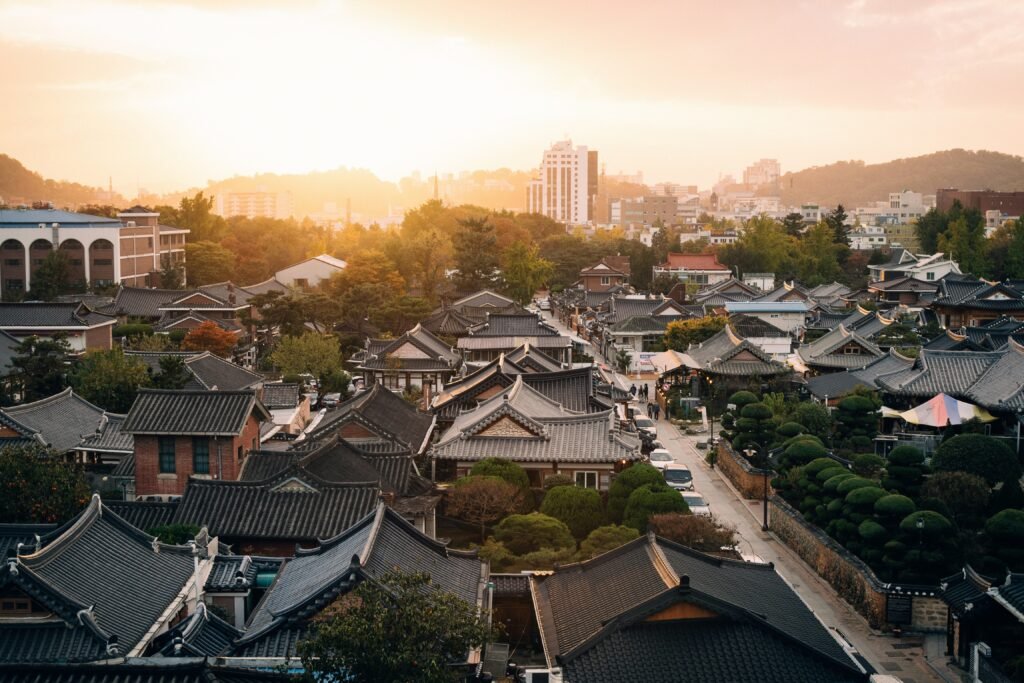
Seongeup Folk Village is renowned for its remarkable representation of traditional Jeju architecture, particularly characterized by its unique houses known as “chae.” These structures possess distinct qualities that harmoniously blend with the island’s cultural heritage and natural environment. A significant feature of these houses is their construction utilizing local materials, particularly volcanic rocks and thatched roofs. The use of basalt stones not only reflects the island’s geological characteristics but also provides durability against the harsh environmental conditions often faced in this region.
Traditional Jeju houses typically consist of a central living space interconnected with various ancillary rooms, such as kitchens and storerooms. The layout promotes a communal living style, essential in the culture of the Jeju community. One notable architectural technique observed here is the use of a unique, sloped roof design, which facilitates rainwater drainage and provides natural ventilation within the house. Moreover, the thatched roofing, constructed from rye grass, enhances insulation, making these homes resilient to both cold winters and hot summers.
In Seongeup, visitors can find an array of these traditional cottages that exemplify the diverse architectural nuances of the region. For instance, the “bubong,” or small, round chimney, is a charming feature found on many houses, serving the dual purpose of enhancing aesthetic appeal and providing effective smoke ventilation from cooking fires. The intricate wooden carvings that adorn the doors and structures often depict symbols derived from local folklore, adding depth to their architectural beauty. Overall, the traditional Jeju houses in Seongeup Folk Village illustrate not only the architectural ingenuity to cope with the local climate but also embody the rich cultural narratives that have shaped Jeju Island’s identity over centuries.
Cultural Practices and Lifestyles in Seongeup
Seongeup Folk Village, nestled in the scenic landscape of Jeju Island, offers a unique glimpse into the traditional lifestyles and cultural practices of its residents. This village maintains a rich heritage that reflects the resilience and continuity of its agricultural roots. Daily life in Seongeup historically revolved around farming, with residents cultivating the land and relying heavily on the bounties of nature for their sustenance. The villagers predominantly engaged in rice cultivation, alongside growing a variety of vegetables and fruits, which continues to be a significant aspect of their lifestyle today.
Communal activities play a vital role in the social fabric of Seongeup. Festivals and rituals are integral to village life, reflecting the traditions of the Jeju people. The local community often comes together to celebrate harvests and seasonal changes, fostering a sense of unity and belonging. These events are not merely celebratory; they are a means of passing down cultural values and practices to future generations, reinforcing the importance of community and family ties.
Family structure in Seongeup has historically emphasized close-knit relationships, where multiple generations often live under one roof. This familial system promotes the preservation of traditions, as elders impart knowledge and skills upon the younger members of their families. Traditional customs such as storytelling, cooking, and crafts are cherished practices that keep the village’s legacy alive. Today, while modern influences permeate daily life, the residents of Seongeup actively strive to uphold their heritage, balancing contemporary challenges with age-old customs.
Ultimately, the cultural practices and lifestyles in Seongeup Folk Village reflect a profound connection to the land and a commitment to community survival. Through their shared history and agricultural practices, the villagers remain dedicated to preserving their traditions for generations to come.
Storytelling Through the Cottages
Seongeup Folk Village is not merely a collection of traditional cottages; it serves as a living museum that tells the story of Jeju’s rich heritage. Each abode within the village reflects the historical and cultural tapestry of the region, offering visitors a glimpse into the daily lives of its past inhabitants. Constructed primarily from thatched roofs and stone walls, these cottages are architectural symbols that resonate with the stories of the island’s families and their ancestral ties.
The cottages, with their rustic charm, are hubs of rich storytelling. Many of the structures are associated with notable local figures who have shaped the community over the years. For instance, one home is attributed to a revered healer who was renowned for their remedies during the tumultuous times of the Japanese occupation. This healer’s story, interwoven with local folklore, emphasizes the spiritual connection that the people of Jeju have had with their cultural practices and the environment. Such narratives not only preserve history but also enrich the visitor experience, making it deeply personal and engaging.
Furthermore, each cottage holds anecdotes that highlight significant events in the island’s past. The tales of resistance, resilience, and celebration permeate the very stones of these structures. Guests often encounter stories of village festivals where the community came together, reinforcing social bonds and cultural identity. The oral traditions, still prevalent among the elderly residents, further ignite the imagination with tales of mythical beings and everyday heroes who epitomized the spirit of the people.
In essence, the cottages of Seongeup Folk Village serve as storytellers, narrating the vibrant history of Jeju through their walls. They encapsulate a blend of personal anecdotes and historical insights, offering a comprehensive understanding of the lives once lived there. Visitors leave with a newfound appreciation for the richness of Jeju’s heritage, making the village not just a place of sight but also a profound experience of narrative exploration.
Culinary Heritage: Taste of Jeju
The culinary traditions of Seongeup Folk Village reflect the rich cultural heritage of Jeju Island, where food serves as both sustenance and a vital aspect of communal identity. Throughout the village, various traditional dishes, often rooted in local ingredients, epitomize the island’s agricultural practices and seasonal changes. Jeju’s cuisine prominently features fresh seafood, locally sourced vegetables, and distinctive spices that contribute to the unique flavors found in the region.
One of the hallmark dishes of Jeju is “black pork,” derived from the native Jeju Black pig. This breed, known for its distinctive flavor and tender meat, is often simply prepared by grilling or roasting, allowing the natural flavors to shine. Festive occasions and communal gatherings often revolve around the preparation and sharing of this celebrated dish. Furthermore, the island’s proximity to the ocean provides an abundance of seafood, including fresh fish, abalone, and octopus, which are commonly featured in various local dishes.
Another notable aspect of Jeju’s culinary heritage is the use of indigenous vegetables and herbs. Ingredients such as “Jeju tangerines,” “chamnamul” (a type of wild vegetable), and “wasabi” (also native to the region) play pivotal roles in traditional recipes. These ingredients not only enhance the taste but also symbolize the agricultural practices of the villagers, showcasing a deep connection to the land. Cooking methods, often passed down through generations, emphasize simplicity and communal preparation, fostering bonds among family and friends.
Beyond mere sustenance, the food of Seongeup Folk Village embodies the essence of local culture and social gatherings. From the vibrant colors of the fresh produce to the aromatic spices, each meal represents a piece of Jeju’s identity, creating a lasting connection between its people and their heritage. In conclusion, exploring the culinary traditions of Seongeup Folk Village offers a deeper understanding of how food influences cultural identity and plays a pivotal role in fostering community ties on Jeju Island.
Festivals and Celebrations in Seongeup
Seongeup Folk Village, a gem on Jeju Island, is renowned not only for its traditional architecture and historic significance but also for the vibrant festivals and celebrations that permeate its cultural landscape. Throughout the year, the village hosts various events that showcase its rich heritage, offering both locals and visitors an immersive experience into the customs and communal spirit of this unique community.
One of the most notable events is the annual Seongeup Folk Village Festival, which attracts crowds eager to witness the remarkable blend of traditional music, dance, and culinary delights. This festival typically takes place in the fall, inviting attendees to engage in activities that reflect the daily life of the village’s ancestors. Visitors can participate in ceremonies such as the Korean traditional tea ceremony, learn ancient crafts, and enjoy performances that depict age-old tales through captivating storytelling and dance. Such events not only preserve local traditions but also foster a sense of unity among the villagers.
In addition to the Folk Village Festival, Seongeup celebrates various other cultural events that highlight its customs and heritage. The Jeju Fire Festival, held in spring, showcases the local practice of controlled burning for agricultural purposes, symbolizing purification and renewal. Meanwhile, the Harvest Festival, which occurs in autumn, is a time of thanksgiving, featuring communal feasting and traditional games that are both joyous and reflective of the village’s agrarian roots.
These festivals play an integral role in the life of Seongeup Folk Village, providing a platform for cultural expression and communal bonding. They serve as a vivid reminder of the importance of preserving traditions in a rapidly changing world, allowing generations to connect through shared experiences and collective memories. The communal spirit is an essential aspect of village life, ensuring that the rich cultural tapestry of Seongeup continues to mesmerize both residents and visitors alike.
Preservation Efforts for Traditional Heritage
Seongeup Folk Village, with its rich tapestry of history and culture, stands as a testament to Jeju Island’s traditional lifestyle. The preservation of this heritage is not only important for the local community but also for visitors and future generations. Various efforts have been initiated by local government bodies, cultural organizations, and community volunteers to maintain the authenticity of this renowned village.
Local authorities have taken significant steps to implement policies aimed at preserving the architectural styles and cultural practices endemic to Seongeup. The Jeju Special Self-Governing Province has designated the village as a cultural heritage site, ensuring that any developments or renovations align with preservation guidelines. This commitment is pivotal in maintaining the village’s original charm and character, safeguarding it against modernization while enhancing its appeal as a tourist destination.
In addition to government actions, numerous organizations work diligently to promote awareness and foster appreciation for traditional practices. Workshops, cultural festivals, and educational programs are organized to engage both residents and visitors, ensuring that the village’s unique customs are preserved. Community involvement is crucial as locals actively participate in these initiatives, sharing their knowledge and experiences. The intergenerational exchange of traditions not only enriches the cultural tapestry but also solidifies the sense of identity among locals.
However, the journey towards preservation is not without its challenges. Balancing the needs of tourism with the desire to maintain authenticity poses a constant struggle. Increased visitor numbers can lead to wear and tear on historical structures, which necessitates ongoing maintenance efforts. Furthermore, as younger generations become more urbanized, there is a risk that traditional crafts and customs may fade away. Addressing these issues requires a collaborative approach that includes stakeholders from various sectors to find sustainable solutions for the preservation of Seongeup Folk Village.
Visitor Experience: What to Expect
When planning a visit to Seongeup Folk Village, it is essential to prepare for an enriching experience steeped in Jeju’s cultural heritage. Situated approximately 13 kilometers from Jeju City, the village is easily accessible by bus or taxi, making it a convenient destination for travelers. Bus routes from the city regularly service the area, ensuring that visitors can navigate seamlessly to this historical site. Alternatively, renting a car may provide additional flexibility to explore the surrounding landscapes.
Once inside the folk village, guests can appreciate the well-preserved traditional thatched-roof houses that showcase the architectural style of Jeju. Key attractions within the village include the Jeju Folk Museum, where exhibits provide insights into the daily lives of past residents, and several ancestral shrines that reflect the island’s rich spiritual heritage. These sites are complemented by guided tours that are often conducted by knowledgeable locals, offering deep dives into the customs and histories of the area.
Moreover, Seongeup Folk Village offers a variety of engaging experiences that bring its culture to life. Visitors can participate in workshops focused on local crafts such as traditional weaving and pottery, allowing for a hands-on understanding of Jeju’s artistic traditions. Cultural demonstrations, including folk dance performances and traditional music shows, offer an intimate glimpse into the island’s vibrant past. Local shops within the village present an excellent opportunity to purchase handcrafted souvenirs, from ceramics to local delicacies, supporting the artisans directly. Altogether, these elements contribute to an unforgettable experience that not only highlights the village’s heritage but also connects visitors to the heart of Jeju’s cultural identity.
Conclusion: A Lasting Legacy
Seongeup Folk Village stands as a testament to the rich cultural heritage of Jeju Island, offering visitors a unique glimpse into traditional Korean life. This well-preserved enclave showcases architectural styles, customs, and practices that have been passed down through generations, making it a significant cultural landmark. The importance of preserving such heritage sites cannot be overstated, as they not only represent the historical identity of a region but also serve as educational resources for future generations. By safeguarding the stories and structures of Seongeup, we ensure that the lessons and values of the past continue to resonate in our modern world.
The village’s authentic charm lies in its ability to tell the countless narratives of the lives that once flourished within its boundaries. Each building, pathway, and garden holds memories of community gatherings, agricultural practices, and traditional rituals. Engaging with these stories allows visitors to connect on a deeper level with Jeju’s cultural landscape, fostering a greater appreciation for the island’s heritage. In this context, Seongeup Folk Village is not merely a tourist destination; it is a living archive of the customs and wisdom of its people.
As we reflect on the significance of Seongeup, it is essential to encourage engagement and dialogue about the importance of cultural preservation. We invite readers and travelers alike to immerse themselves in the unique experiences that Seongeup Folk Village has to offer. By visiting, learning, and appreciating this remarkable destination, individuals contribute to a larger movement of honoring and sustaining the historical narratives that shape our understanding of identity and community in Jeju and beyond. Only through collective efforts can we maintain the legacy of such picturesque heritage sites for future generations to explore and cherish.
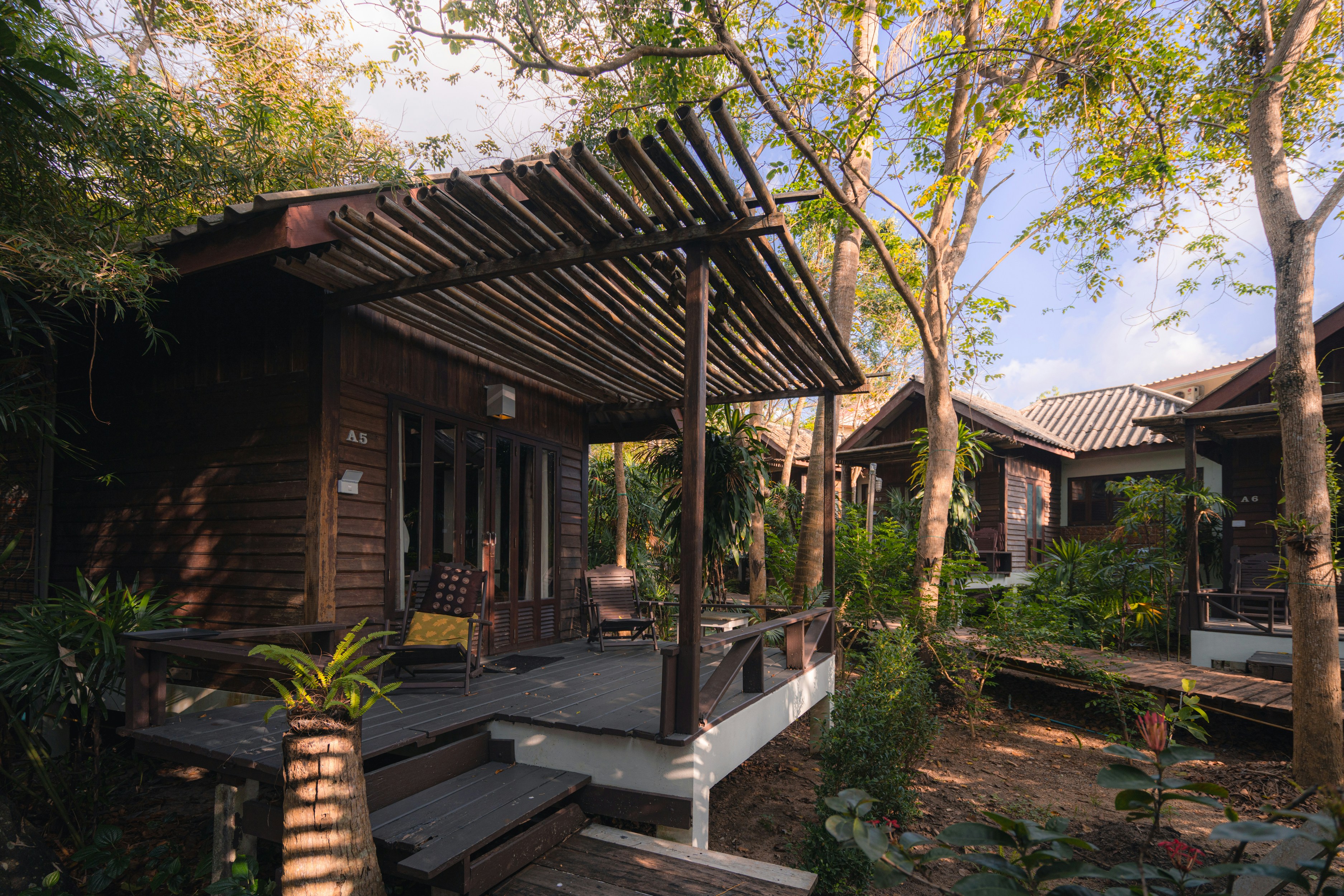
✈️Hot – Seongeup Olle Choga Private Pension, Jeju, South Korea
Discover Bijarim Forest: The Ultimate Chill-Out Spot in Western Jeju