Introduction to Jeju Folk Village
Jeju Folk Village, a cultural heritage site located on Jeju Island in South Korea, stands as a testament to the island’s rich historical significance and traditional lifestyle. Established as a museum to preserve the local customs of the Jeju people, the village allows visitors to step back in time and immerse themselves in the cultural practices and everyday life of past generations. This picturesque location serves as an insightful representation of the island’s heritage, showcasing well-preserved thatched-roof houses, traditional farming implements, and various artifacts that narrate the stories of a bygone era.
As one of the key tourist destinations in South Korea, Jeju Folk Village attracts visitors seeking to gain a deeper understanding of the region’s history and the communal ways of life that have shaped its identity. The village features over 100 structures that reflect the architectural styles typical of the island’s rural communities. Touring the village, guests can observe traditional farming methods, handicrafts, and even cultural performances that take place throughout the year. This enriching experience provides a comprehensive overview of the unique cultural practices that have been maintained through the generations.
In addition to its educational value, Jeju Folk Village emphasizes the importance of cultural preservation in the modern era. By maintaining and promoting its historical and cultural attributes, the village fosters a greater appreciation for the traditions of the Jeju people, which are often at risk of being forgotten in contemporary society. The combination of engaging displays, informative exhibitions, and interactive experiences makes Jeju Folk Village not only a popular destination for tourists but also a vital resource for those interested in understanding the cultural heritage of Jeju Island.
The Architecture of Jeju Folk Village
Jeju Folk Village is a splendid representation of traditional Korean architecture, showcasing distinct characteristics that reflect the island’s unique culture and environment. The architectural styles found within the village are rooted in practicality, utilizing locally sourced materials and adapted designs that align with Jeju’s climatic conditions. The most prominent structures are the thatched-roof houses, known as ‘chogajip,’ which are expertly constructed using a combination of clay and stone. This method not only provides insulation during the chilly winters but also keeps homes cool during the humid summers, demonstrating a remarkable understanding of natural climate control.
The layout of homes in Jeju Folk Village is another area of interest, exhibiting a harmonious blend between function and aesthetics. Each residence typically follows a cluster design, where multiple buildings, including kitchens and storage spaces, are arranged around a central courtyard. This arrangement fosters community interaction and reflects the emphasis on shared living, a significant aspect of Jeju’s culture. Such configurations not only address practical needs but also create a social environment conducive to family gatherings and community events.
Additionally, the village architecture often features ‘ondol’ heating systems, a traditional method that heats the floor through a flue system connected to the kitchen. This innovation is particularly important in Jeju, where cold winter temperatures prevail. The use of volcanic rock from the island for construction not only signifies a connection to the local landscape but also contributes to the durability of the structures. Overall, the architectural elements within Jeju Folk Village manifest the island’s unique identity, reflecting both its residents’ lifestyle and the environmental considerations that shaped their traditional homes.
Cultural Experiences and Activities
Jeju Folk Village offers a multitude of cultural experiences that immerse visitors in the rich heritage of the region. One of the highlights is the opportunity to participate in traditional crafts, such as pottery making. Under the guidance of skilled artisans, visitors can create their own pieces using ancient techniques, allowing them to appreciate the craftsmanship that has been handed down through generations. This hands-on experience not only fosters creativity but also provides insight into the historical significance of pottery in Jeju’s culture.
In addition to craft-making, visitors can enjoy performances of folk music and dance that vividly showcase the local traditions. The vibrant rhythms and colorful costumes reflect the essence of Jeju’s cultural identity. These performances, often held in open-air settings, create an engaging atmosphere where visitors can feel the pulse of the past. Participants are frequently invited to join in, making it a communal celebration of heritage.
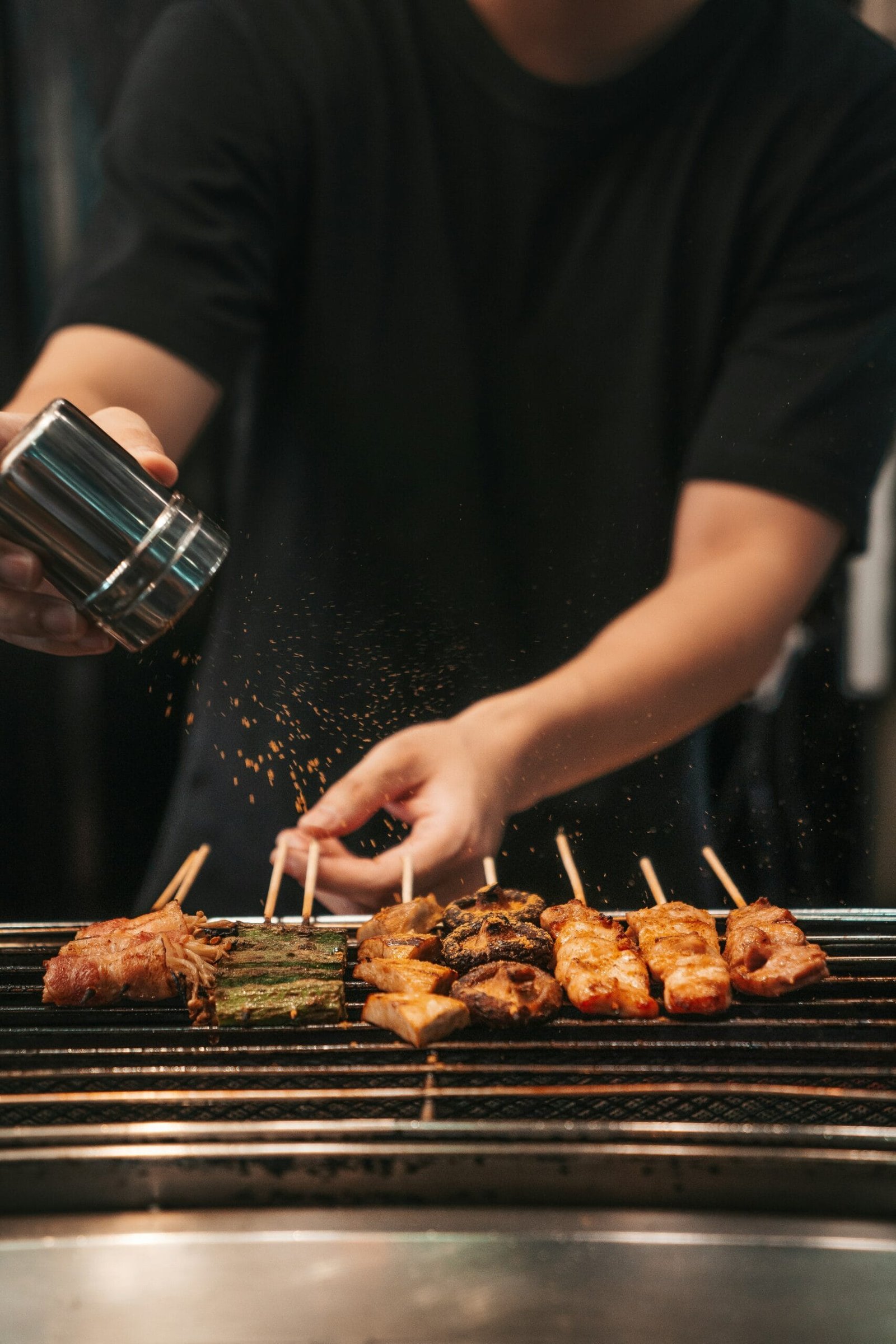
Culinary experiences at Jeju Folk Village also deserve mention, as they offer a deep dive into the island’s flavors. Visitors can taste authentic Jeju cuisine, characterized by the use of fresh local ingredients. Cooking demonstrations and tastings allow individuals to learn about the preparation of traditional dishes, from savory stews to sweet rice cakes. This aspect not only satisfies the palate but also enriches the understanding of the relationship between food and cultural practices on the island.
Overall, the cultural experiences and activities available at Jeju Folk Village provide an engaging, immersive environment for visitors. By partaking in pottery making, enjoying folk performances, and savoring local cuisine, individuals are encouraged to connect with the traditions of Jeju, making their journey both memorable and educational.
Strolling Through Quaint Lanes
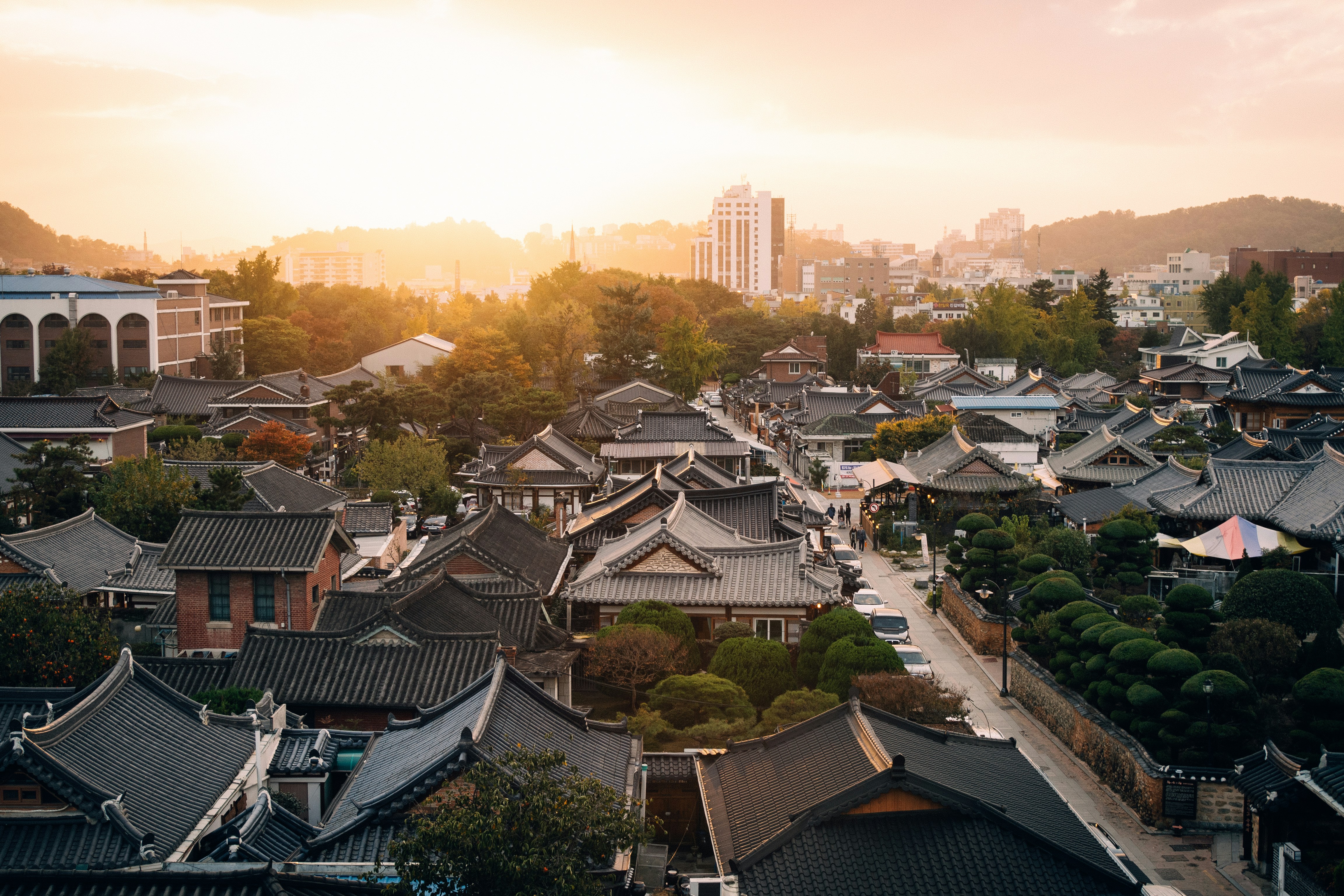
As visitors step into the Jeju Folk Village, they are immediately transported to a bygone era, where the essence of traditional Korean life is beautifully preserved. The charming lanes of the Folk Village are lined with thatched-roof houses, meticulously crafted to reflect the architectural style of the 19th century. Each home, made from local materials, tells its own story, inviting onlookers to pause and absorb the rich history embedded within its walls.
Walking through the winding pathways, the picturesque scenery of lush greenery envelops guests, providing a sense of tranquility that is often eroded in modern urban settings. The gentle rustling of leaves accompanies the soft murmur of distant conversations, allowing one to appreciate the simplicity of life as it once was. Visitors can take in the vibrant colors of seasonal flowers that bloom alongside the pathways, enhancing the aesthetic beauty of this historical site. Birdsong and the hum of nature create an atmospheric backdrop, making the stroll feel almost meditative.
The Folk Village not only showcases the architectural beauty of traditional houses but also features quaint communal spaces where locals would gather. These areas, such as the village plaza, highlight the social aspects of Jeju’s heritage. Interspersed along the lanes are artisan shops, where craftsmen demonstrate age-old techniques such as pottery and weaving. This immersive experience provides visitors with the opportunity to connect with the craftsmanship that sustained local communities for generations.
As one wanders through the enchanting lanes of the Jeju Folk Village, there is a palpable sense of nostalgia. The allure of this destination lies in its ability to evoke cherished memories and nostalgia, allowing each visitor to reflect on a way of life that is both simple and profound. The combination of stunning visuals, evocative sounds, and the rich ambiance makes for an unforgettable journey back in time.
Traditional Festivals and Events
Jeju Folk Village serves as a vibrant cultural hub, showcasing the rich traditions of the island’s past through a variety of festivals and events held throughout the year. These occasions not only reflect the island’s historical heritage but also provide an immersive experience for visitors, allowing them to engage with the local customs and practices. Each festival celebrated here has its unique significance, offering insight into the agricultural, spiritual, and communal life of Jeju’s inhabitants.
One of the notable events is the Jeju Fire Festival, held annually to welcome the spring season. This festival is marked by the lighting of large bonfires, which symbolize the driving away of evil spirits and the celebration of new beginnings. Visitors can participate in various activities, including traditional games, dance performances, and food tasting, which highlight the island’s culinary traditions. Fire festivals are deeply rooted in the agrarian customs of the region, representing a time of harvesting and community bonding.
Another prominent celebration is the Goeun Dandelion Festival, celebrated with music, food, and dance, showcasing Jeju’s natural beauty and the significance of dandelions in the local ecosystem. This event offers workshops on crafts and cooking, allowing participants to learn traditional techniques while appreciating the island’s flora. The festival echoes the cultural importance of seasonal changes and communal gatherings, strengthening connections among the community and attracting tourists who seek to understand Jeju’s lifestyle.
In addition to these specific festivals, Jeju Folk Village regularly hosts cultural performances, art exhibitions, and educational programs that highlight the island’s traditions. Through these dynamic events, visitors gain a deeper appreciation for Jeju’s heritage, as they witness firsthand the ways in which the past continues to shape the present. Ultimately, participating in these traditional festivals enriches the cultural experience, fostering a profound connection between the island’s history and its current inhabitants.
Interactions with Local Artisans
One of the most compelling aspects of visiting Jeju Folk Village is the opportunity to engage with local artisans who embody the region’s rich cultural heritage. These skilled craftsmen and women dedicate their lives to preserving traditional techniques, ensuring that the art and craftsmanship synonymous with Jeju’s history continue to thrive. During your visit, you may observe artisans engaged in various crafts, including pottery, weaving, and woodwork, all of which reflect the island’s distinctive aesthetic and functional value.
Each artisan at Jeju Folk Village is deeply knowledgeable about their craft, often passed down through generations. For instance, visitors can witness potters shaping clay into functional and decorative pieces, showcasing techniques that have stood the test of time. By engaging with these artisans, guests can learn about the intricate processes involved in creating each piece, gaining a deeper appreciation for the skill and dedication required. Additionally, many artisans offer hands-on workshops that allow visitors to try their hand at these traditional crafts, creating a memorable, immersive experience.
The importance of preserving these traditional skills cannot be overstated. As globalization continues to spread and contemporary techniques become more prevalent, the risk of losing these unique cultural expressions increases. The artisans at Jeju Folk Village are not just preserving the past; they are fostering a cultural continuity that honors both their heritage and the significance of their crafts within the community. By supporting local artisans, visitors play a vital role in sustaining these traditions, ensuring that the skills and stories behind them remain alive for future generations to appreciate.
Impact on Tourism and Preservation
Jeju Folk Village has emerged as a significant destination within South Korea’s tourism landscape, attracting both domestic and international visitors eager to experience the cultural heritage of Jeju Island. Its role extends beyond mere attraction; the village functions as a living museum that encapsulates the traditional lifestyle, architecture, and customs of the island’s inhabitants. However, with the influx of tourists comes the pressing challenge of preserving the authenticity and integrity of the site. Striking a balance between increasing tourist numbers and maintaining the cultural essence of the village is paramount.
Local authorities have implemented various strategies to ensure that Jeju Folk Village remains both a vibrant tourist destination and a genuine portrayal of Jeju’s rich history. This includes regulating visitor numbers during peak seasons and offering guided tours that emphasize the importance of the village’s cultural narratives. By educating visitors about the significance of the artifacts and structures within the village, the authorities aim to foster a deeper appreciation for the local heritage. Moreover, they prioritize the conservation of historical buildings and regularly conduct maintenance to ensure that these structures withstand the test of time.
Moreover, community involvement plays an essential role in the preservation of Jeju Folk Village. Local residents are encouraged to participate in cultural activities and educational programs, enriching their connection to their heritage while actively contributing to its preservation. This symbiotic relationship between tourism and preservation not only enhances the visitor experience but also empowers the local community to take an active role in safeguarding their legacy.
Ultimately, Jeju Folk Village serves as a model for other cultural sites striving to balance tourism with authenticity. Through thoughtful planning, community engagement, and a commitment to preservation, Jeju Folk Village exemplifies how cultural heritage can thrive in the face of modern tourism demands.
Visitor Information and Tips
Jeju Folk Village is a captivating destination that offers visitors a glimpse into the rich cultural heritage of the Jeju Island. To make the most of your visit, it is essential to be aware of some practical information. The village is typically open to the public daily, from 9:00 AM to 6:00 PM, with extended hours during the peak tourist season. It is advisable to check the official website for any changes due to special events or maintenance periods.
Getting to Jeju Folk Village is relatively easy. If you are arriving by public transportation, take a bus from Jeju City, which will take approximately 40 minutes. Alternatively, renting a car offers flexibility, allowing you to explore the surrounding areas at your own pace. The road signage is clear, making navigation straightforward.
The ticket prices for entrance to the village are reasonable, with discounts available for children and seniors, presenting an affordable option for families and groups. It is recommended to purchase your tickets in advance during the peak season to avoid long queues upon arrival.
When planning your visit, consider going in the late morning or early afternoon to fully appreciate the performances and activities scheduled throughout the day. The village hosts traditional dance and music performances, which are best experienced in person. Additionally, visiting during spring or autumn provides a more pleasant climate and beautiful natural scenery.
To enhance your visit, it is beneficial to familiarize yourself with the layout of the village and prioritize key attractions. Notable areas include the traditional thatched houses, the exhibition of local crafts, and the cultural workshops. A leisurely stroll allows ample time to witness the authentic lifestyle of Jeju’s ancestors while capturing stunning photographs along the way. By following these tips, visitors can enjoy a fulfilling and enriching experience at Jeju Folk Village.
Conclusion: Embracing the Past
Jeju Folk Village stands as a living testament to the rich cultural heritage of Jeju Island, inviting visitors to embark on a journey back in time. This captivating destination not only showcases traditional architecture but also embodies the customs, practices, and everyday lives of the island’s past inhabitants. With each step taken through the village’s rustic pathways, guests have the opportunity to witness the resilience of Jeju’s unique culture, allowing them to form a deeper connection with the history that has shaped this remarkable place.
As one wanders through the well-preserved thatched-roof houses and engages with authentic demonstrations of traditional crafts, the significance of preserving such cultural landmarks becomes strikingly clear. Jeju Folk Village serves as a vital reminder of the importance of safeguarding customs and stories that define a community’s identity. In an increasingly modern world, the value of these experiences lies not only in their aesthetic appeal but also in their ability to foster understanding and appreciation of history.
For those planning a visit to Jeju Island, taking the time to explore Jeju Folk Village offers a unique opportunity to immerse oneself in the island’s rich narrative. By embracing the past, visitors can gain insights into the lives of the people who once navigated its landscapes, fostering a sense of respect for the traditions that remain alive today. The village acts as a bridge connecting the past and the present, emphasizing the essential role of cultural preservation. Thus, visitors are encouraged to step into this remarkable site, allowing themselves to be enveloped by the stories that echo through its structures and landscapes, and ultimately appreciate the enduring charm of Jeju’s cultural tapestry.
Hot✈️ Jeju Flyjin House Pension, Jeju, South Korea
Exploring Jungmun Tourist Complex: The Ultimate Family Getaway