
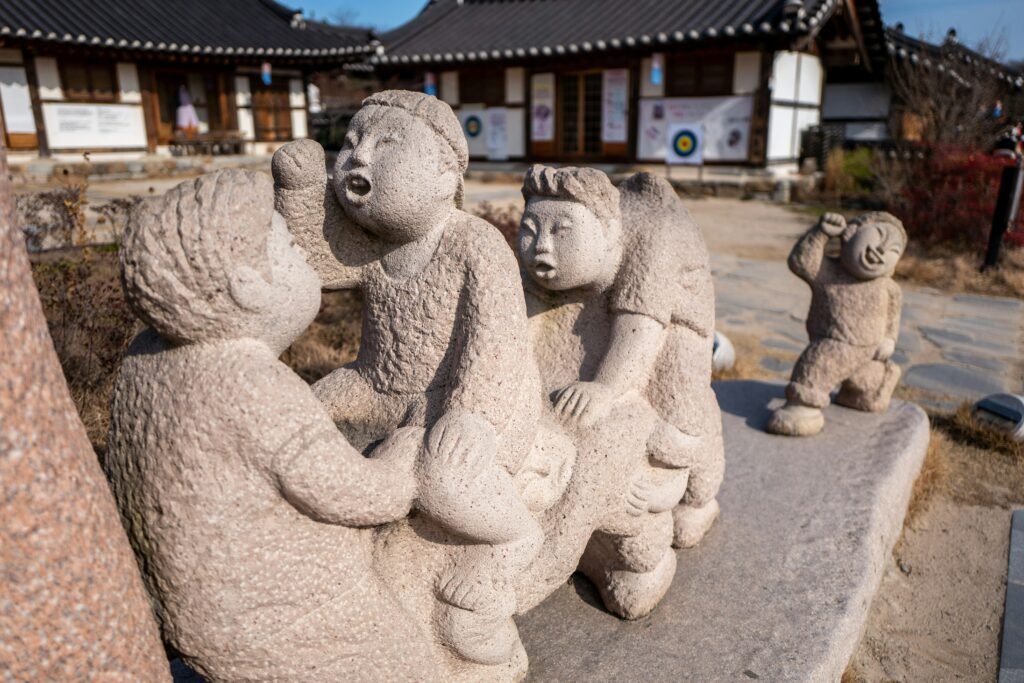
Exploring Jeju Stone Park
Jeju Stone Park, located on the picturesque Jeju Island, South Korea, exemplifies a rich tapestry of geological and cultural heritage. Spanning over 500,000 square meters, this expansive park is dedicated to the island’s unique stone culture, making it a significant site for both educational and recreational exploration. The park serves not only as a sanctuary for visitors seeking to immerse themselves in the natural beauty of the island but also as a vibrant space that celebrates the historical and cultural narratives woven into Jeju’s stone formations.
The allure of Jeju Stone Park lies in its remarkable geological features, which emerged from volcanic activity millions of years ago. This captivating landscape draws numerous tourists and locals eager to delve into the mysteries of the island’s stone culture. From ancient lava tubes to rustic stone monuments, the park is akin to stepping into an Indiana Jones adventure, where one unearths stories and experiences hidden within the stones. The park’s design incorporates paths that guide guests through a series of exhibits, sculptures, and natural formations, each contributing to a deeper understanding of Jeju Island’s geological history.
The Rich History of Jeju’s Stone Culture
Jeju Island, a remarkable destination located off the southern coast of South Korea, is renowned for its unique geological formations and vibrant cultural heritage. The island’s stone culture has deep historical roots, reflecting the rich interplay between nature and the lives of its inhabitants. The diverse stone formations found on Jeju have not only shaped the landscape but have also played a crucial role in the island’s identity and traditions.
The volcanic origin of Jeju has resulted in a striking array of geological features, including columns of basalt, porous tuff, and igneous rocks that punctuate the terrain. These formations have been sculpted over thousands of years, creating striking natural monuments that are not just visually captivating but also steeped in significance. The importance of these stones extends beyond their physical beauty; they are integral to various myths, legends, and the everyday lives of Jeju’s past inhabitants. For instance, numerous folktales speak of the iconic stone guardian, Dol hareubangs, which are perceived as protectors warding off evil spirits while symbolizing fertility and prosperity.
Moreover, ancient rituals performed by the islanders often involved the unique stones around them. These practices highlight how Jeju’s geological features have not only provided practical resources for building and agriculture but have also deepened people’s spiritual connections to their environment. The myriad shapes and sizes of stones across Jeju have become the source of inspiration for artistic expression, folklore, and local mythology, reinforcing the notion that these formations are emblematic of the island’s rich cultural heritage. As visitors explore Jeju Stone Park, they are invited to immerse themselves in the stories and beliefs that have surrounded these remarkable stones throughout history.
Key Exhibits at Jeju Stone Park
Jeju Stone Park is home to a diverse collection of exhibits that spotlight the profound relationship between the island’s inhabitants and its unique geological features. One of the most prominent displays showcases traditional stone statues, commonly referred to as “Dol hareubangs.” These iconic guardian figures, carved from volcanic rock, are significant not only for their artistic value but also for their historical symbolism, representing protection and fertility. Each statue varies in size and expression, reflecting the distinct artistry of Jeju’s past artisans.
In addition to the Dol hareubangs, the park houses a remarkable array of artifacts that illustrate the various ways stone has been utilized throughout history. These artifacts range from ancient tools crafted by the island’s early inhabitants to intricate stone carvings that tell stories of cultural beliefs and practices. This exhibit serves as a testament to the ingenuity of Jeju’s communities, who have relied on the island’s abundant stone resources to create both practical and decorative items.
Moreover, visitors can explore significant geological formations that underline Jeju’s volcanic origins. The park features a range of volcanic rocks, including basalt columns and lava tubes, which are essential for understanding the island’s geological journey. Each formation provides insight into the natural forces that shaped Jeju over millennia, offering an educational experience that emphasizes the interplay between culture and the environment.
The combination of traditional stone statues, historical artifacts, and impressive geological formations highlights the richness of Jeju’s stone culture. As visitors navigate through the various exhibits, they gain a deeper appreciation for how stone serves as a foundational element of cultural identity and history on this island. The diversity of items on display collectively narrates the enduring legacy of Jeju’s relationship with stone, ensuring that the island’s unique heritage continues to be celebrated and explored.
Interactive Displays: Engaging with the Past
Jeju Stone Park offers a unique array of interactive displays that allow visitors to immerse themselves in the island’s rich stone culture. These exhibits are not mere static installations; they invite engagement and active participation, transforming the typical museum experience into a dynamic exploration of history. The integration of technology in these settings enhances the educational value of the park, ensuring that guests do not simply observe but rather interact with the artifacts on display.
One of the standout features of the park is the augmented reality (AR) stations. Visitors can use their mobile devices or park-provided tablets to scan various stone sculptures and landscapes. This technology reveals historical facts, animations, and stories related to the island’s geological evolution and the role of stone in Jeju’s cultural heritage. By bridging the gap between past and present, these AR experiences make the ancient stone structures come to life, offering unique insights into the lives of those who once inhabited the island.
In addition to digital interactions, Jeju Stone Park also features hands-on exhibits, where individuals can touch and manipulate replicas of significant stone artifacts. This tactile engagement invites a deeper connection with the material culture of Jeju. Workshops and guided activities are regularly scheduled, encouraging families and groups to participate in stone-carving sessions or educational talks led by knowledgeable staff members. These initiatives not only promote learning but also foster a sense of community among visitors, as they share in the exploration of the island’s heritage together.
Through these interactive elements, Jeju Stone Park effectively redefines the traditional museum experience, cultivating curiosity and a profound appreciation for the island’s enigmatic stone culture.
Legends and Myths of Jeju Island: A Deeper Dive
Jeju Island, renowned for its stunning landscapes and unique geological features, is also rich in folklore that enriches the cultural tapestry of the region. The stones found throughout the island are not mere geological formations; they possess intricate narratives that have shaped the identity of the island’s inhabitants. Many of these legends have been passed down through generations, transforming the stones into vessels of history and culture.
One of the most prominent legends is that of the Geomunoreum volcanic cone, often regarded as a guardian of the island. Locals believe that those who climb this important natural formation will be granted a wish, further intertwining the stones with the spiritual beliefs of the people. This places great significance on the island’s geological features as not just physical entities but as sacred sites imbued with power and meaning.
Another captivating tale involves the Haenyeo, the island’s famous female divers, who are said to have formed a bond with the stones while harvesting seafood. Their tenacity and deep connection to the ocean and land are frequently celebrated in local folklore, depicting them as caretakers of Jeju’s resources. These stories exemplify how the island’s inhabitants have navigated their environment and the respect they hold for the natural world.
Moreover, the enchanting tale of the Dol hareubang, the iconic stone statues that stand guard at the entrance of homes, showcases the belief in their protective qualities. According to legend, these stone figures ward off evil spirits and bring good fortune, symbolizing the deep-rooted connections between the people and the stone culture of Jeju.
The confluence of myth and reality in Jeju’s stone culture provides visitors with a unique lens through which to appreciate the island. By understanding these legends, one gains deeper insight into the heart of Jeju’s cultural identity and its people’s enduring relationship with the stones that populate their landscape.
Visitor Experience: What to Expect
Visiting Jeju Stone Park offers a unique opportunity to immerse yourself in the rich stone culture that defines this beautiful island. Upon arrival, guests are greeted by an ambiance that seamlessly blends nature and artistry, captivating all who enter. Visitors can expect a well-maintained and accessible pathway that meanders through various sculptures and natural formations, showcasing the island’s geological heritage. For those with mobility challenges, the park is equipped with accessible routes to ensure everyone can enjoy the captivating scenery.
The visitor experience is further enriched by the availability of guided tours, which provide in-depth insights into the significance of the stone formations and their historical context. Knowledgeable guides lead small groups through the park, explaining the cultural importance of each monument and encouraging questions to enhance understanding. These tours typically last around one to two hours, making them a manageable addition to any itinerary. It is advisable to book in advance, especially during peak tourist seasons, to secure a spot on the preferred time slots.
As you navigate through the park, you will find that the flow of visitors is generally smooth, allowing for uninterrupted exploration of the stunning stone art installations. The tranquility of the environment contributes to the overall atmosphere, making it a serene backdrop for contemplation and photography. Visitors are encouraged to take their time, as there are numerous spots perfect for enjoying the view and connecting with the natural surroundings. Whether you are a history enthusiast, nature lover, or simply seeking a peaceful retreat, Jeju Stone Park holds something special for every traveler, ultimately enhancing your adventure in this remarkable setting.
Sustainable Practices at Jeju Stone Park
Jeju Stone Park serves as a prime example of how sustainable practices can be integrated into the preservation of natural and cultural resources. The park is dedicated to maintaining the integrity of its unique stone culture, which includes the volcanic rock formations and historical sites that tell the story of the island’s geological and anthropological heritage. Sustainable tourism is a critical component of the park’s operational model, designed to balance the influx of visitors with the conservation of these precious resources.
One of the key strategies implemented by Jeju Stone Park is the promotion of eco-friendly tourism. Visitors are encouraged to engage with the park’s features in a manner that minimizes their ecological footprint. This includes using designated pathways, adhering to strict guidelines regarding littering, and participating in educational programs that highlight the importance of preserving both natural landscapes and cultural artifacts. Additionally, the park regularly assesses its visitor capacity to prevent overcrowding, which could otherwise lead to environmental degradation.
The park also employs various conservation techniques aimed at protecting its stone formations from wear and erosion caused by human activities. For instance, ongoing research is conducted to monitor the health of the rock structures and soil, ensuring that any necessary interventions can be made in a timely manner. Furthermore, the park collaborates with local communities and stakeholders to foster an understanding of cultural heritage and the role of stone in shaping the identity of Jeju Island.
By integrating these sustainable practices, Jeju Stone Park not only protects its natural and cultural resources but also enhances the experience for visitors. The park maintains a commitment to preserving the unique characteristics of its stone culture, ensuring that future generations can appreciate and learn from this remarkable landscape. Through educational initiatives and community engagement, the park emphasizes that conservation is a shared responsibility, advocating for the sustainable use of the island’s resources for years to come.
Getting to Jeju Stone Park: Travel Tips
Reaching Jeju Stone Park, a notable attraction celebrated for its intriguing stone culture, is a delightful journey that offers various transportation options for visitors. One of the most convenient ways to arrive is by flying into Jeju International Airport, which hosts both domestic and international flights. Upon landing, the park is approximately a 40-minute drive away, allowing visitors the opportunity to witness the island’s scenic landscapes. Various rental car services operate at the airport, providing flexibility for those who wish to explore the island at their own pace.
Alternatively, public transport options, including buses, are available and can lead you directly to Jeju Stone Park from major spots like Jeju City. Buses are an economical choice and allow travelers to experience the local culture along the way. Schedules typically run frequently, making it a feasible option for visitors. For those preferring a guided experience, several tour companies offer organized trips that often combine visits to nearby attractions such as Hallasan National Park or Manjanggul Cave, ensuring a comprehensive exploration of Jeju Island.
The ideal time to visit Jeju Stone Park is during the spring and autumn months when the weather is mild, and the natural surroundings are particularly vibrant. Planning your visit during weekdays rather than weekends may help avoid crowds, allowing for a more tranquil experience among the park’s unique stone formations. If you are a nature enthusiast or someone captivated by cultural heritage, consider visiting early in the morning to take advantage of the peaceful ambiance and ample photographic opportunities.
By coordinating your travel plans effectively, Jeju Stone Park can serve as a remarkable highlight in the broader exploration of Jeju Island, enriching your journey through this captivating destination.
Conclusion: Why Jeju Stone Park is a Must-Visit
As we have explored throughout this blog post, Jeju Stone Park stands as a profound representation of the island’s rich stone culture and its historical significance. The park beautifully highlights the geological wonders and the cultural narratives deeply intertwined with Jeju’s unique volcanic landscape. Visitors to the park are afforded an opportunity not only to appreciate the natural beauty of the stone formations but also to engage with the folklore and artistry that these stones inspire.
The various exhibits, from the captivating traditional stone figures known as dol hareubangs to the intricate arrangements of volcanic rock and nature trails, provide a comprehensive insight into how stone has played an integral role in shaping Jeju’s identity. Each pathway and installation at Jeju Stone Park invites exploration and contemplation, reminding us of humanity’s connection to nature’s raw materials.
Furthermore, the park serves as an educational resource, shedding light on conservation efforts and the importance of preserving both the natural environment and the cultural heritage tied to these stones. It underscores the significance of Jeju’s stones not just as geological formations but as vital components of the island’s history and folklore. This emphasis on education makes Jeju Stone Park an essential stop for those seeking a deeper understanding of the island’s culture.
With such a rich array of experiences awaiting every visitor, Jeju Stone Park truly deserves a spot on your travel itinerary. By planning a visit, you are not only setting out on a journey through stunning landscapes but are also partaking in a cultural exploration that celebrates the heritage of Jeju’s remarkable stone culture. Immersing yourself in this enchanting destination will undoubtedly leave you with lasting memories and a greater appreciation for the artistry and history encapsulated within the island’s stones.
Hot✈️ Jeju Jingumdari Guesthouse, Jeju, South Korea
Exploring Jungmun Tourist Complex: The Ultimate Family Getaway