Introduction to the Haenyeo Museum
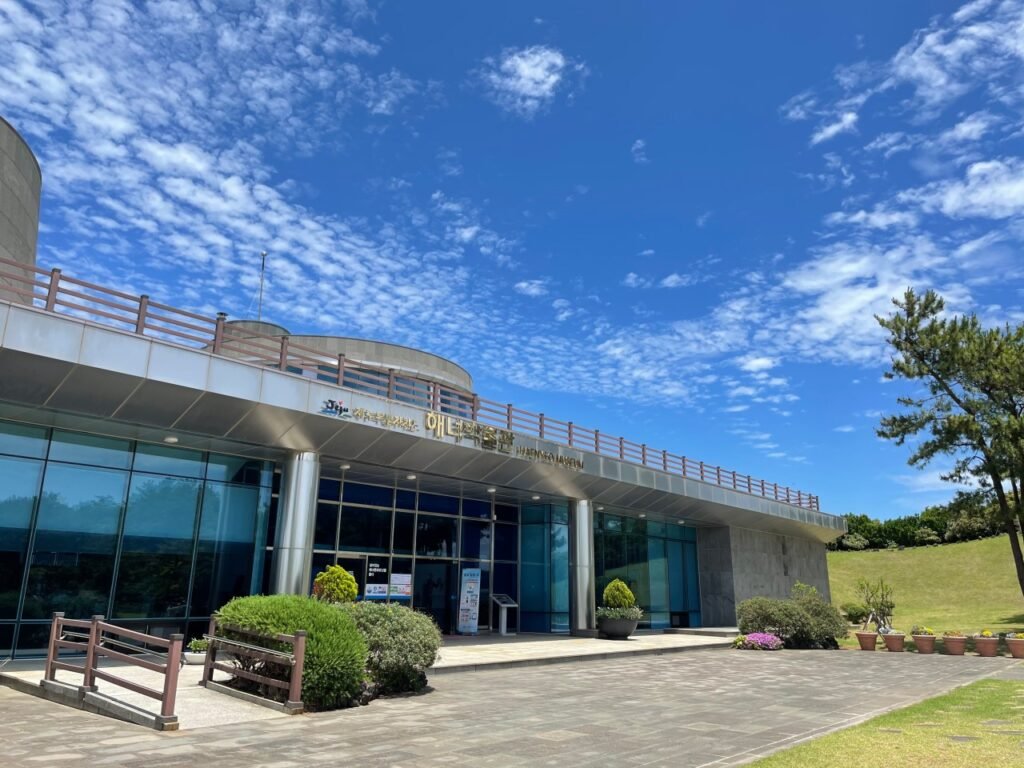
The Haenyeo Museum, located on the picturesque Jeju Island, serves as a vital institution dedicated to the preservation of the haenyeo culture, which refers to the centuries-old tradition of female divers in the region. This unique community of women has become a symbol of resilience and vitality, and the museum provides a platform to celebrate their history and contributions to the local culture.
Designed with a focus on harmony with the natural landscape, the architecture of the Haenyeo Museum is both modern and reflective of the island’s rich cultural heritage. Its design incorporates elements that mimic the ocean waves, creating an immersive experience for visitors. Upon entering, guests are greeted by a spacious, light-filled environment that allows for a seamless exploration of the exhibits. The careful curation of artifacts and multimedia presentations ensures that the stories of the haenyeo are told in a captivating manner.
Initial impressions of the Haenyeo Museum often include a sense of awe at the breathtaking views surrounding the facility. The strategic location highlights the intimate relationship between the haenyeo and the ocean, as well as the significance of the sea in Jeju’s geography and economy. Visitors are encouraged not only to engage with the displays but also to reflect on the enduring spirit of the haenyeo women—who have historically delved into the depths of the ocean to harvest seafood without the aid of modern diving equipment.
Overall, the Haenyeo Museum stands as a testament to the cultural heritage of the haenyeo and serves to educate those who come to learn about these extraordinary women. This institution not only honors their past but also raises awareness for future generations about the significance of preserving such a unique way of life.
The Legacy of the Haenyeo
The haenyeo, a term which translates to “sea women,” represents a remarkable aspect of Jeju Island’s cultural heritage. These skilled female divers, known for their prowess in free diving, have historically contributed significantly to the local economy and community life. Originating as early as the 17th century, the haenyeo developed a unique lifestyle that is intrinsically tied to the sea, embodying both resilience and adaptability.
Traditionally, the haenyeo were essential to their families and villages, often being the primary breadwinners at a time when societal norms favored male dominance. Through their underwater harvesting of seafood, including abalone, sea urchins, and various shellfish, they not only provided sustenance but also played a crucial role in the maintenance of the local economy. The haenyeo tradition emphasizes sustainability and respect for the ocean—a practice ingrained in their culture and handed down through generations.
As modern challenges arise, such as climate change, globalization, and diminishing interest from the younger population, the legacy of the haenyeo faces threats. Younger generations often gravitate towards more conventional employment opportunities, leading to a decline in this unique practice. However, efforts to revitalize interest through education and cultural heritage initiatives are in place. By showcasing their distinctive skills, the haenyeo continue to be celebrated not only for their contributions to diving but also for their roles as cultural stewards of Jeju’s maritime traditions.
The ongoing recognition of the haenyeo by UNESCO as part of the Intangible Cultural Heritage of Humanity highlights their enduring legacy. As these remarkable women navigate the balance between tradition and modernity, the story of the haenyeo remains one of strength, community, and resilience, reflecting the eternal connection between human beings and the sea.
Exhibits Spotlight: The Underwater World
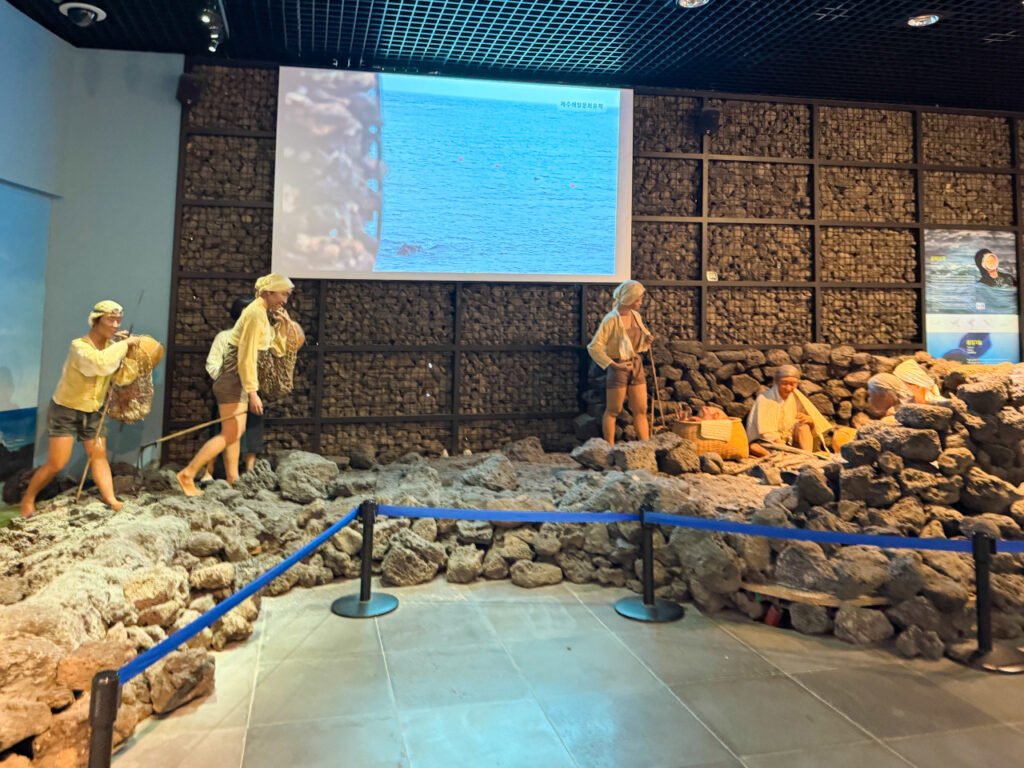
At the Haenyeo Museum, visitors are invited to immerse themselves in the captivating underwater world that the haenyeo navigate daily. The museum’s exhibits meticulously showcase the various techniques employed by these skilled female divers, who have been gathering seafood from the depths of the ocean for generations. Among the most engaging displays is an interactive simulation that allows visitors to experience the unique challenges faced by the haenyeo as they dive into the underwater ecosystems of Jeju Island.
Through the use of advanced technology, this simulation recreates the sensation of diving, incorporating factors such as underwater visibility, buoyancy, and the need for breath control. Visitors can observe how the haenyeo expertly manage their breath while diving deep to harvest shellfish and sea cucumbers, navigating through rocky crevices and kelp forests. This exhibit not only highlights the exhilarating aspects of the haenyeo’s profession but also serves to educate the public about the essential skills required for safe and effective diving.
In addition to the hands-on experiences, the museum curates a stunning collection of photographs and videos that delve into the lives of the haenyeo. Through these visual narratives, visitors gain insight into the cultural significance of their work, along with the environmental challenges they face. The use of multimedia elements enhances the storytelling by providing context to the haenyeo’s traditions and bonding practices, emphasizing community solidarity in this unique profession.
The Underwater World exhibit ultimately serves as a tribute to the resilience and bravery of the haenyeo. By showcasing their remarkable underwater techniques and showcasing their profound connection with the ocean, the museum fosters a greater appreciation for this enduring cultural heritage. Visitors leave equipped not only with knowledge but also with a deep admiration for these remarkable women and their unique way of life.
Cultural Significance: A Unique Way of Life
The haenyeo, or female divers of Jeju Island, embody a remarkable stand of cultural heritage that extends beyond the realm of traditional employment. This unique way of life has been passed down through generations and serves as a compelling example of female empowerment, showcasing the resilience and fortitude of women in their pursuit of sustenance and independence. The haenyeo culture reflects a significant departure from conventional gender roles, where women actively participate in demanding underwater harvesting. Through their efforts, they challenge societal norms, demonstrating that women can thrive in physically demanding environments.
Moreover, the haenyeo traditions illustrate a profound commitment to environmental stewardship. These divers practice sustainable methods, ensuring that marine ecosystems are respected, and resources are carefully managed. Their practices promote biodiversity and highlight the interconnectedness of human life with nature. By harvesting only what they need and using traditional techniques, the haenyeo contribute to preserving the delicate balance of their aquatic surroundings, serving as a model for environmental care that modern society can draw lessons from.
Alongside empowerment and environmental consciousness, the haenyeo way of life embodies the spirit of communal living. The divers often operate in teams, fostering a sense of solidarity among themselves. This collective approach not only provides safety but also creates a strong community bond that is integral to their culture. Aspirants and newcomers are welcomed warmly, as mentorship is an essential part of their tradition, ensuring the continuation of skills and knowledge. The haenyeo culture thus serves as a rich tapestry of values — empowerment, stewardship, and community — offering insightful lessons that can be applicable in broader societal contexts.
A Day in the Life of a Haenyeo
The day for a haenyeo, or female diver of Jeju Island, commences at the break of dawn, often around 5:00 AM. Before the sun rises, these resilient women prepare their diving gear, which typically includes a wetsuit, mask, fins, and weighted belt. The early morning air is crisp, and the sound of waves crashing on the shore heralds the beginning of a demanding yet rewarding day.
After assembling their equipment, haenyeo gather for a brief meeting. This ritual fosters a sense of camaraderie and allows them to discuss the day’s conditions and dive spots. The haenyeo are renowned for their deep knowledge of the ocean, including the intricate details of tides, underwater topography, and marine life. This expertise is critical to their success as they embark on their diving adventures.
Once they reach their designated spot, haenyeo enter the water, often diving to depths of up to 20 meters. With no breathing apparatus, these skilled divers use a technique called “apnea” or breath-holding to hunt for valuable marine resources, such as abalones, sea urchins, and various shellfish. Their diving method showcases an impressive blend of endurance, strength, and technique, enabling them to stay submerged for up to two minutes, with each dive requiring meticulous skill and precision.
Throughout the day, haenyeo harvest marine life, placing their catch in a mesh bag that they carry. The gathering process is both physically demanding and labor-intensive, yet each catch contributes to their sustenance and livelihood. The harvest not only feeds their families but also forms a vital part of the local economy. As the day winds down, haenyeo return to shore, their spirits high from the sea’s bounty, yet fatigued from the labor-intensive work. This shared experience not only cements their bond but also solidifies their identity as guardians of Jeju’s rich maritime heritage.
Visitor Experience: What to Expect
When planning a visit to the Haenyeo Museum on Jeju Island, attendees can look forward to an enriching experience that highlights the significant cultural heritage of its female divers, known as haenyeo. The museum is strategically designed to present the history, tradition, and ongoing legacy of these remarkable women. Visitors will initially encounter the entrance hall, adorned with captivating imagery and artistic representations of the haenyeo in action, engaging in their unique underwater foraging.
The museum layout is intuitive, guiding guests through various themed exhibits. Highlights include the “Traditions and Techniques” exhibit, where visitors can explore the tools and practices that have sustained the haenyeo community for generations. Interactive displays allow for a hands-on exploration of diving techniques, shell identification, and the ecological significance of the haenyeo’s harvesting methods. Additionally, the immersive storytelling through video installations provides deep insight into the lives and challenges faced by these divers.
Another notable section is the “Cultural Significance” exhibit, which showcases the role of haenyeo in the broader socio-economic fabric of Jeju. Here, visitors can discover how these divers not only contribute to local fisheries but also preserve a unique cultural identity amidst a rapidly changing environment. Engaging workshops may also be available, providing the opportunity to learn basic diving skills and the importance of sustainable practices.
To maximize your visit, it is advisable to allocate at least two hours to fully appreciate the exhibits and partake in any interactive activities. The staff is generally knowledgeable and ready to answer questions, making it beneficial to seek them out for deeper insights. Also, it might be wise to visit during weekdays to avoid large crowds. This museum offers a profound glimpse into a vital aspect of Jeju’s heritage and is a must-see for anyone interested in the island’s unique culture.
Sustaining the Haenyeo Tradition Today
The Haenyeo, or “sea women” of Jeju Island, have long represented a unique cultural heritage emblematic of resilience and community. However, the sustainability of this esteemed tradition faces several modern challenges, largely attributed to dwindling participation and changing socio-economic landscapes. Efforts are being made to address these challenges through community initiatives, tourism, and educational programs that underscore the significance of the Haenyeo culture.
One of the pressing issues is the aging demographic of existing Haenyeo, as younger generations are increasingly pursuing alternative careers, particularly in urban settings. This shift poses a threat to the continuity of the practice, leading to a significant decline in active divers. In response, local communities have initiated programs aimed at captivating youth interest in the Haenyeo lifestyle. Workshops and educational activities not only provide information about the history and techniques of diving but also highlight the ecological significance of sustainable harvesting practices.
Tourism has emerged as a vital tool in preserving the Haenyeo tradition. By promoting the Haenyeo experience through guided tours and cultural experiences, visitors gain firsthand insight into this remarkable way of life. Local governments and organizations have developed promotional campaigns that celebrate the history of the Haenyeo, increasing awareness and drawing attention to their distinct culture. This influx of tourism revenue can potentially empower the community to invest in the future of the Haenyeo, enabling the continuation of their time-honored practices.
Additionally, educational programs aimed at preserving the Haenyeo culture have been integrated into local school curricula. These initiatives foster respect and appreciation for the ocean and the traditional methods used by Haenyeo. Collaborations between educational institutions and Haenyeo divers allow for the transfer of knowledge and skills, ensuring that the essence of the tradition remains vibrant, despite the pressures of modernization.
Interactive Activities and Workshops
The Haenyeo Museum offers a range of interactive workshops and activities designed to immerse visitors in the rich culture and history of the haenyeo, the renowned female divers of Jeju Island. These experiences serve not only as entertainment but also aim to educate participants about the unique practices and traditions associated with this remarkable community.
Visitors can partake in diving simulations that replicate the techniques used by the haenyeo in their underwater ventures. Utilizing advanced technology, these simulations provide a safe and engaging environment for individuals to experience the thrill of diving without leaving the museum premises. This hands-on activity highlights the physical skills and endurance required by the haenyeo, deepening the appreciation for their profession.
In addition to diving simulations, the museum offers cultural classes focusing on various aspects of haenyeo life. These classes often include lessons on traditional haenyeo songs, which play a vital role in their culture and are used to coordinate group diving activities. Participants can learn about the significance of these songs and even join in on the singing, fostering a deeper connection with the haenyeo’s legacy.
Moreover, the museum regularly organizes opportunities to meet local haenyeo, allowing visitors to hear firsthand accounts of their experiences. These sessions provide invaluable insights into the challenges and triumphs of haenyeo life, as well as the ongoing efforts to preserve their culture in the modern era. By engaging with these esteemed divers, patrons gain a personal understanding of the haenyeo’s role in Jeju’s heritage.
Through these immersive activities and workshops, the Haenyeo Museum effectively bridges the gap between tradition and contemporary understanding, inviting everyone to celebrate the indomitable spirit of Jeju’s female divers.
Conclusion: Celebrating the Haenyeo Spirit
As we conclude our exploration of the Haenyeo Museum and the remarkable culture of Jeju’s female divers, it is imperative to reflect on the spirit and resilience embodied by the haenyeo. These women, known for their unique abilities to dive without oxygen, represent not only a remarkable connection to the sea but also to a rich cultural heritage that has endured for centuries. The haenyeo are more than just divers; they epitomize strength, solidarity, and sustainability, elements that are critical in today’s rapidly changing world.
Visiting the Haenyeo Museum provides insight into this extraordinary community and serves as a reminder of the importance of preserving cultural heritage. The stories and practices of these legendary divers highlight not only their skills underwater but also their role in fostering a deep respect for nature and community values. Engaging with such traditions encourages a greater appreciation for the histories that shape our societies.
It is essential to support cultural heritage through both tourism and local practices. By visiting museums and participating in community events that celebrate the haenyeo, we can contribute to the sustainability of these traditions. Each encounter with the haenyeo’s culture serves as a testament to their enduring legacy and the vital role they play in the marine ecosystem of Jeju.
In conclusion, the haenyeo spirit is not simply a relic of the past but a living tradition that continues to inspire and educate. By recognizing and supporting these female divers, we honor their contributions while ensuring that their extraordinary heritage remains vibrant for future generations. Let us celebrate the haenyeo and advocate for the preservation of such unique cultural legacies.
🧩 Chuidasun Resort Tea & Meditation – Highlights for your 2-night trip
▶️ Sip into Serenity: Exploring O’Sulloc Tea Museum’s Modern Twist on Jeju’s Tea Heritage