
Introduction to Seogwipo Maeil Olle Market
Seogwipo Maeil Olle Market emerges as a bustling hub of local culture and culinary delights located in Jeju, South Korea. Established in 2008, this vibrant market serves not only as a commercial center but also as a gathering place for the community, showcasing the rich agricultural produce of the island. Over the years, it has become a cornerstone of the Seogwipo region, reflecting the day-to-day life, traditions, and hospitality of the residents.
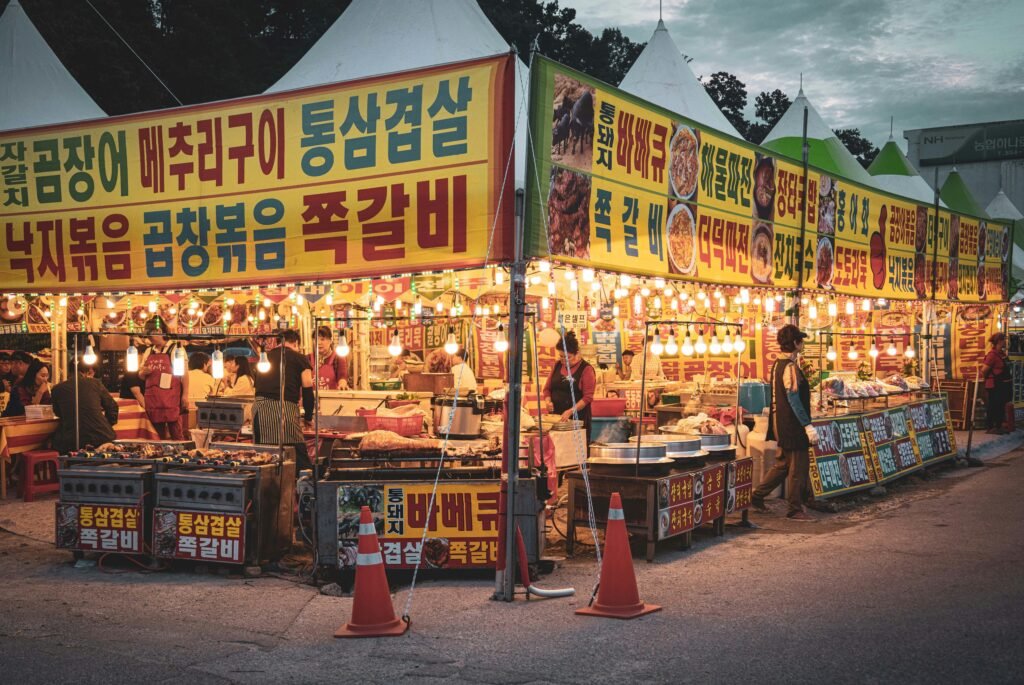
Visitors to Seogwipo Maeil Olle Market can expect to experience a sensory delight, with an array of colorful stalls that offer an impressive selection of fresh fruits, seafood, and local specialty dishes. The market is particularly famous for its street food scene, where patrons can savor authentic Jeju cuisine right from the heart of the island’s culture. From succulent black pork to the unique taste of Jeju tangerines, the culinary offerings are as diverse as they are delicious.
What further enhances the market’s charm is the lively atmosphere created by vendors showcasing their goods and the sounds of friendly interactions among locals and visitors. This setting not only facilitates a shopping experience but also fosters connections among individuals, allowing tourists to mingle with the residents. The market operates daily, making it a convenient stop for anyone wishing to explore the essence of Jeju’s local lifestyle.
In a nutshell, Seogwipo Maeil Olle Market is a must-visit for both tourists and locals alike, offering a unique opportunity to immerse oneself in the island’s vibrant culture and to indulge in its delicious street food. With its combination of history, community significance, and culinary exploration, it promises a memorable experience for anyone entering its lively pathways.
A Culinary Adventure: Street Food Specialties
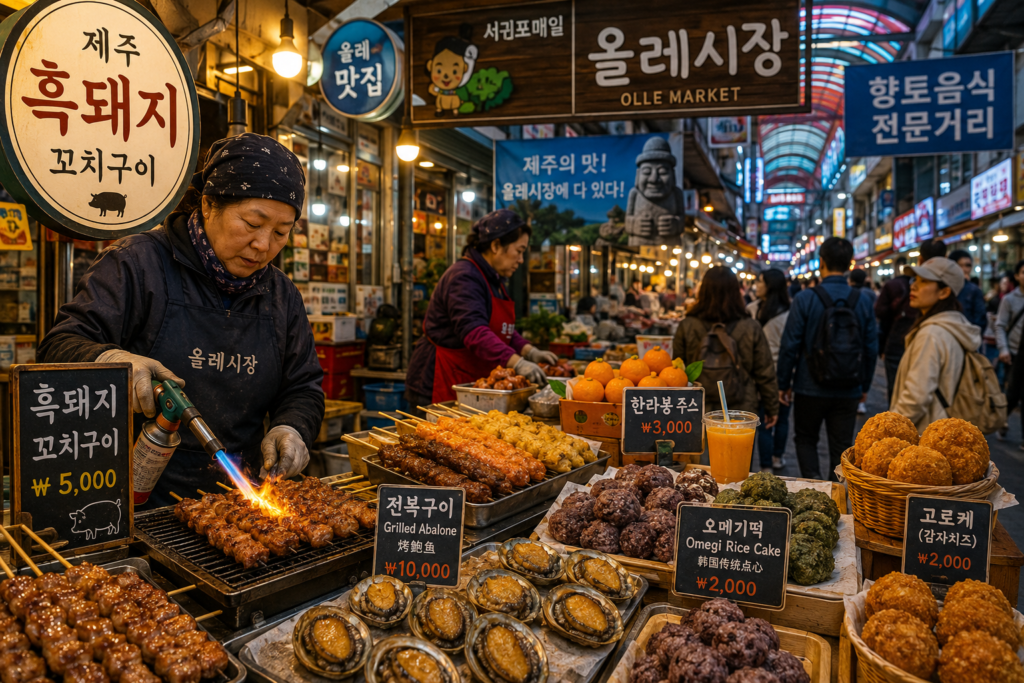
The Seogwipo Maeil Olle Market is a vibrant epicenter of street food, where the aroma of sizzling delicacies fills the air, inviting visitors to explore a wide array of flavors unique to Jeju Island. Renowned for its rich culinary heritage, the market boasts an assortment of local street food specialties that capture the essence of the region’s agricultural bounty and marine resources.
One cannot visit the market without indulging in a bowl of abalone porridge. This dish showcases the island’s famous abalone, a delicacy known for its tender texture and rich flavor. Vendors prepare this porridge by simmering rice with fresh abalone and a dash of sesame oil, resulting in a nourishing meal that is both comforting and delicious.
Another must-try at the market is the grilled mackerel, which is a popular choice among locals and tourists alike. The fish is char-grilled to perfection, often served with a sprinkle of salt and accompanied by a side of spicy gochujang, offering a delightful balance of flavors. Additionally, the market features an assortment of tteokbokki, a beloved Korean street food made of chewy rice cakes coated in a sweet and spicy sauce.
Unique to Jeju are dishes flavored with *hallabong*, a local citrus fruit that adds a refreshing zest to traditional recipes. Street vendors often incorporate this fruit into their sauces and desserts, providing a taste that resonates with the island’s distinct agricultural identity.
The food preparation methods employed by local vendors often highlight age-old traditions, ensuring that each dish retains its authentic flavor. From the sizzling hotplates to the artisanal touch in every snack, the culinary adventure at Seogwipo Maeil Olle Market is truly a reflection of Jeju’s rich street food culture. This journey not only satiates one’s appetite but also gives a deeper understanding of the island’s vibrant lifestyle.
Shopping for Local Specialties
Seogwipo Maeil Olle Market is not only a hub for tantalizing street food but also a vibrant marketplace offering an array of local products that reflect the rich culture of Jeju Island. Shopping here reveals a treasure trove of unique handicrafts, delectable items like Jeju’s famous tangerines, and an assortment of souvenirs that capture the essence of the region.
One of the standout offerings of this market is the locally crafted handicrafts. Visitors can explore a variety of artisanal products, including traditional pottery, textile works, and wood carvings, all made by skilled local artisans. These handicrafts not only showcase the artistic talent found in the region but also serve as meaningful keepsakes that one can take home. When engaging with vendors, it is insightful to inquire about the crafting process, as many are eager to share their knowledge and stories.
Another highlight of the market is Jeju’s renowned tangerines, known for their sweetness and juiciness. During your visit, you are likely to find fresh tangerines along with related products, such as tangerine juice and jams, which make delightful gifts. Look for stalls that showcase organic produce; these items are not only fresher but also embody the local farming practices that prioritize sustainability.
When it comes to finding authentic items, the best approach is to interact directly with the vendors. They often appreciate customers who show a genuine interest in their products. Observing which stalls are busy can also indicate popularity and quality. Bargaining is acceptable in some instances, but remember to approach negotiations with respect. Overall, exploring Seogwipo Maeil Olle Market provides a unique opportunity to immerse oneself in Jeju’s vibrant culture while shopping for distinctive local specialties.
The Ambiance of the Market
The Seogwipo Maeil Olle Market is a vibrant hub that embodies the essence of local street food and culture. Upon entering the market, visitors are immediately engulfed in a symphony of sounds: the cheerful banter of merchants hawking their wares, the sizzling of food being prepared, and the soft chatter of customers discussing their favorite delicacies. This bustling environment serves as a testament to the lively spirit of the community.
As one strolls through the labyrinth of stalls, each turn reveals a new dimension of the market’s atmosphere. The vivid colors of fresh produce, local seafood, and an array of traditional Korean dishes create a stunning visual feast. The market is filled with enticing aromas, ranging from the spicy notes of kimchi to the sweet scent of traditional rice cakes. These sensory experiences draw individuals into a world where each vendor offers a unique taste of the region’s culinary heritage.
Interaction with the friendly merchants adds to the personal touch of the market. Many of them possess deep roots in the community and are eager to share stories about their products, creating an inviting atmosphere that encourages dialogue. Visitors not only purchase food but also engage in conversations that reflect the market’s role as a social gathering place. This interaction showcases how Seogwipo Maeil Olle Market is not just a place to buy groceries but a space that fosters relationships and strengthens community bonds.
The ambiance of the Seogwipo Maeil Olle Market is a vivid representation of local culture and lifestyle. It encapsulates the rhythm of daily life in Seogwipo, where tradition meets modernity in the most delicious way. Exploring this market offers travelers a genuine glimpse into the heart of the community, making it a must-visit destination for anyone wanting to experience the vibrant life of Jeju Island.
Navigating the Market: Tips for First-Time Visitors
Visiting Seogwipo Maeil Olle Market can be an exhilarating experience, especially for first-time visitors. To ensure a smooth journey through this vibrant marketplace, consider the following practical advice.
First and foremost, getting to the market is relatively straightforward. Seogwipo Maeil Olle Market is centrally located in Seogwipo City and is accessible by public transportation. Visitors can take a local bus or a taxi directly to the market. For those who prefer walking, the market is within walking distance from several downtown hotels, making it convenient for tourists.
The best time to visit is early in the morning when the market opens around 6 a.m. This is when the stalls are fully stocked with fresh produce and the day’s catch. Alternatively, visiting in the late afternoon provides a bustling atmosphere as vendors prepare to close shop, giving you the opportunity to witness local customs in action.
The layout of the stalls can be overwhelming at first glance. Typically, the market is divided into sections based on food categories, such as seafood, fruits, and traditional snacks. It is helpful to take a moment to familiarize yourself with the layout upon arrival. This will allow you to navigate the stalls more effectively and to pinpoint specific items you wish to try.
Adapting to local customs is crucial for a rewarding experience. One such custom is bargaining, which is common in many local markets. It is acceptable to negotiate prices, but always approach it with respect and a friendly demeanor. A smile can go a long way in fostering a positive interaction with sellers. Additionally, taking the time to greet vendors in Korean can enhance your experience, as it shows appreciation for their craft.
In summary, with a little preparation and a respectful attitude, your visit to Seogwipo Maeil Olle Market can become a memorable adventure steeped in local culture and gastronomy.
Interacting with Local Vendors
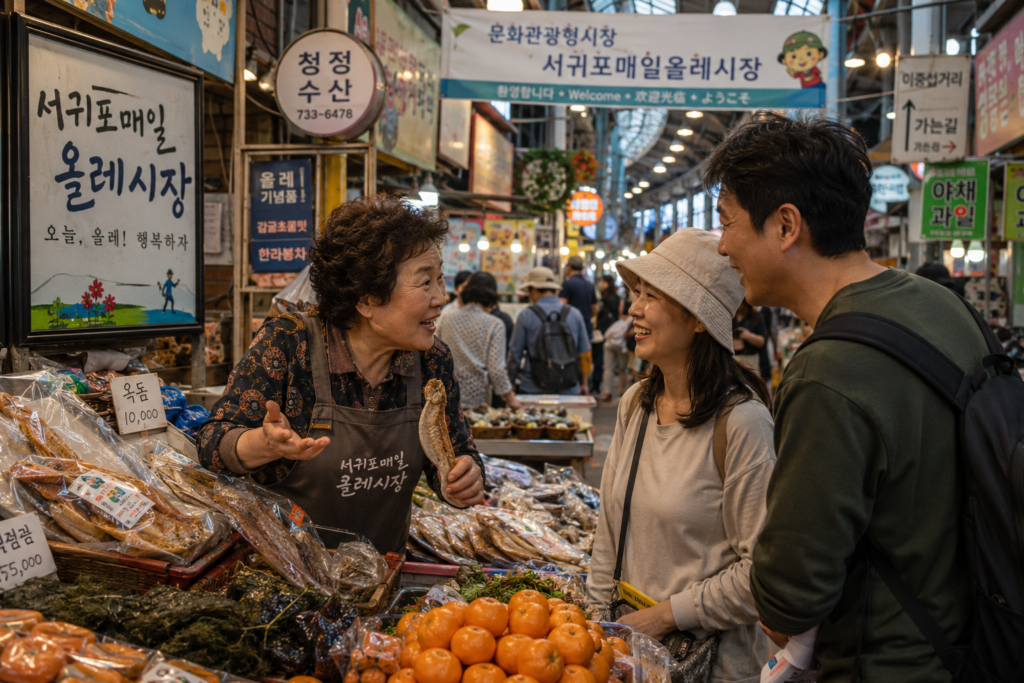
The Seogwipo Maeil Olle Market is not just a destination for culinary delights; it serves as a vibrant tapestry of local culture, woven together by the stories and experiences shared by its vendors. Engaging directly with these local artisans and producers can significantly enhance a visitor’s market experience, transforming a simple shopping trip into a rich cultural exchange. Each vendor brings their unique narrative, whether rooted in generations of family tradition or crafted from personal passion.
For instance, while sampling fresh seafood from a vendor, one might discover not only the story behind the catch of the day but also learn about the techniques used in local fishing practices. Such interactions allow visitors to gain a deeper appreciation for the products and the people who create them. Engaging in conversation can reveal the vendor’s favorite recipes, provide insights into seasonal ingredient availability, and explain how local customs influence the food choices available in the market.
Moreover, many vendors in Seogwipo Maeil Olle Market are more than willing to share their culinary secrets and heritage. This makes for an enriching experience that goes beyond mere consumption of food. Visitors often leave with not only bags full of produce and delicacies but also a treasure trove of stories about local beliefs and culinary customs that they would not have encountered otherwise.
The warmth and hospitality exhibited by these vendors invite visitors to feel more like participants in the local culture rather than mere observers. This interaction helps foster a sense of community, connecting people from different backgrounds and creating unforgettable memories in the vibrant atmosphere of the market. Thus, taking the time to engage with local vendors is essential for anyone looking to fully immerse themselves in the enchanting world of Seogwipo Maeil Olle Market.
Sustainability and Local Sourcing
Seogwipo Maeil Olle Market stands as a vibrant testament to the importance of supporting local farmers and small businesses by promoting sustainability practices and local sourcing. Situated on Jeju Island, this market emphasizes the utilization of locally grown produce, which not only enhances the freshness of offerings but also reduces the carbon footprint associated with long-distance food transportation. By opting for regional suppliers, the market plays a crucial role in bolstering the local economy while ensuring that visitors enjoy authentic culinary experiences.
The commitment to sustainability is evident in the various initiatives undertaken by the market’s vendors. Many sellers prioritize organic farming techniques, minimizing reliance on synthetic fertilizers and pesticides. This dedication to environmentally friendly practices not only serves the health and safety of consumers but also promotes biodiversity in the region. Visitors to the market can appreciate the effort that goes into cultivating high-quality, sustainable products that reflect the unique agricultural landscape of Jeju Island.
Furthermore, supporting local businesses at Seogwipo Maeil Olle Market provides an opportunity for visitors to contribute positively to the community. Each purchase made at the market directly funds the livelihoods of local farmers and artisans. This creates a ripple effect, fostering economic stability and resilience within the community. Travelers are encouraged to engage with the vendors, learn about their farming practices, and understand the significance of choosing local ingredients over imported ones.
By focusing on sustainability and local sourcing, Seogwipo Maeil Olle Market illustrates the potential for markets to serve as a catalyst for positive change. Visitors who embrace this philosophy not only enhance their travel experience but actively support the preservation of local culture and economy. Thus, choosing to shop at Seogwipo Maeil Olle Market is not merely a shopping decision; it is a conscious commitment to sustainability and community support.
Cultural Events and Activities in the Market
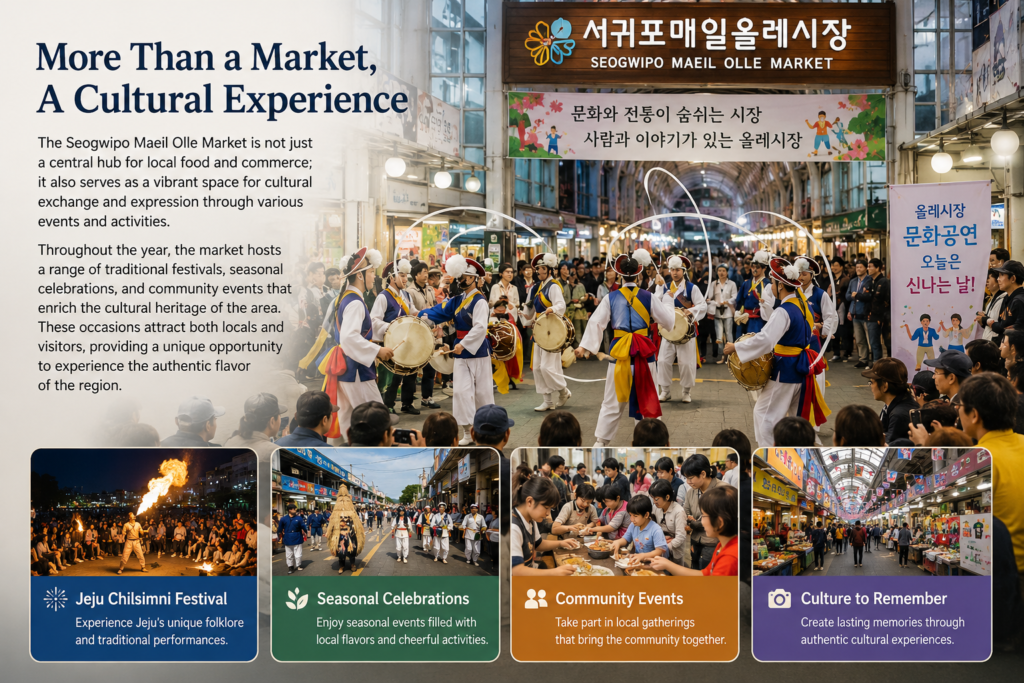
The Seogwipo Maeil Olle Market is not just a central hub for local food and commerce; it also serves as a vibrant space for cultural exchange and expression through various events and activities. Throughout the year, the market hosts a range of traditional festivals, seasonal celebrations, and community events that enrich the cultural heritage of the area. These occasions attract both locals and visitors, providing a unique opportunity to experience the authentic flavor of the region.
One of the notable events is the Jeju Olle Walking Festival, which promotes tourism and encourages walking as a means to connect to nature and the local community. This festival typically includes guided walking tours that take participants through scenic routes, coupled with food stalls offering Ieong-jo (traditional rice cakes) and fresh, local produce right from the market. These gastronomic experiences foster a deep appreciation for the rich culinary traditions of Jeju Island.
Another significant event is the Seogwipo Maeil Olle Food Festival, showcasing the diverse array of culinary delights available in the market. During this festival, various local vendors set up stalls to present over 100 different types of street food, from spicy tteokbokki to sweet hotteok. This festival not only highlights the vibrant food culture but also provides exposure to the local artisans and their crafts. The atmosphere is filled with live music, dance performances, and cultural displays, making it an engaging experience for all who attend.
These cultural events enhance the sense of community, allowing local artisans and food vendors to share their skills and heritage with a broader audience. Visitors leave with cherished memories and a deeper understanding of the cultural identity that is intrinsic to the Seogwipo Maeil Olle Market.
Conclusion: The Unforgettable Experience of Seogwipo Maeil Olle Market
Seogwipo Maeil Olle Market offers a vibrant tapestry of flavors, aromas, and cultural experiences that resonate with both locals and visitors alike. Throughout this exploration, we have delved into the myriad of street food options, from freshly made tofu to savory hotteok, reflecting the region’s rich culinary heritage. The market acts not only as a venue for indulgence but also as a lively social hub where interactions abound, drawing in individuals from all walks of life.
Moreover, the assortment of locally sourced ingredients and unique recipes available at the market allow for an authentic taste of Jeju’s culinary landscape. Each stall narrates its story through its offerings, providing insight into the daily lives of the vendors and their passion for food. This connection between the vendor and the consumer further enriches the dining experience, making every bite memorable.
The vibrant environment of Seogwipo Maeil Olle Market is amplified by live performances and traditional arts, creating an atmosphere that is not just about food but about community and culture. As visitors wander through the narrow alleys, they are bound to discover stalls that spark curiosity and delight, ensuring that each visit provides something new and exciting.
In sum, the Seogwipo Maeil Olle Market is indeed an unforgettable experience, ideal for anyone seeking an authentic taste of local culture. Whether you are a culinary enthusiast or simply looking to broaden your horizons, this market promises a journey filled with flavor and insight. An invitation awaits for you to explore this unique destination, where every corner bursts with life, flavors, and the spirit of Jeju.
Diving into Jeju Haenyeo Culture: A Glimpse into the Lives of Sea Women
🧩 Tour information site – wiztour.com
Related posts:
 The Ultimate Guide to Watching the Sunrise at Seongsan Ilchulbong: Tips, Photo Spots, and Local Eats
 Exploring Jeju: The Ultimate Coastal Driving Course from Yongmeori Coast to Hyeopjae Beach
 Discovering the Hidden Charm of Cheonjiyeon Falls: A Comprehensive Travel Course Guide
 Diving into Jeju Haenyeo Culture: A Glimpse into the Lives of Sea Women