
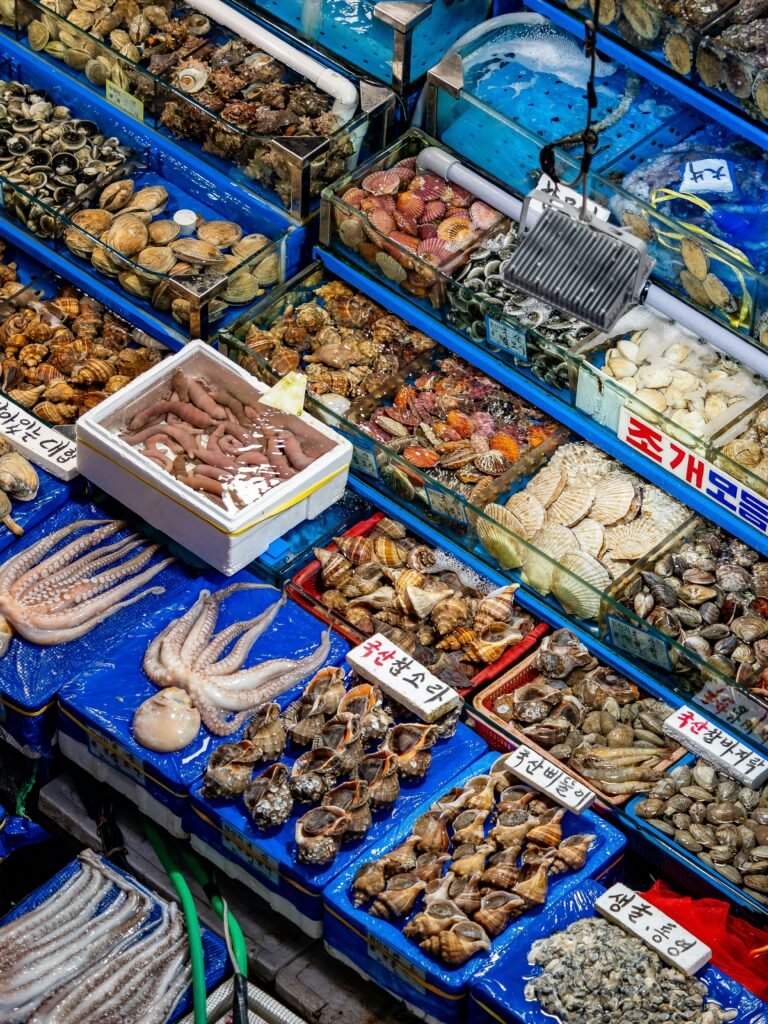
Introduction to Jeju Haenyeo Culture
The Jeju Haenyeo culture represents a rich and unique tradition found on Jeju Island, South Korea. This remarkable community of female divers, known as Haenyeo, engages in free diving to harvest seafood from the sea, showcasing a deep-rooted connection between the inhabitants of Jeju and their maritime environment. The Haenyeo, often referred to as sea women, have played a crucial role in the local economy and community life for centuries, symbolizing resilience, strength, and independence.
Historically, the practice of diving dates back to the early 17th century and has evolved over time, shaping the identity of the people of Jeju. The Haenyeo are renowned for their exceptional diving abilities, acquiring skill in breath-holding and underwater foraging that enables them to collect various marine products, including shellfish and seaweed. This task is physically demanding and requires not only stamina but also intimate knowledge of the ocean’s ecosystems and conditions.
The Jeju Haenyeo culture is more than just a traditional occupation; it embodies a lifestyle deeply intertwined with the natural world. Women of various ages come together to dive and share experiences, fostering a sense of community and solidarity among them. Their activities reflect the sustainable practices that are vital for ecological balance, emphasizing the importance of environmental stewardship. The Haenyeo tradition also illustrates how cultural heritage can shape a community’s identity, as these women pass down their knowledge, skills, and values to future generations.
Thus, the Jeju Haenyeo culture not only signifies the enduring spirit of the women who engage in this age-old practice but also highlights the intricate relationship between humanity and the sea, reinforcing the idea that our cultures evolve in harmony with our environments.
Historical Context of the Haenyeo
The Haenyeo culture, deeply rooted in the coastal regions of Jeju Island, South Korea, can be traced back to the early 17th century. The term Haenyeo translates to sea women, reflecting their traditional roles as skilled free divers who harvest seafood from the ocean depths. Initially, the practice emerged as a means of sustenance, allowing local communities to thrive through foraging. Over time, the social structure associated with the Haenyeo began to evolve, particularly during the Japanese colonial period in the early 20th century, which significantly impacted the island’s economy and society.
Historical events, such as Japan’s annexation of Korea in 1910, forced many Jeju residents into precarious economic conditions. In response, women increasingly turned to diving, taking on roles previously dominated by men. This shift not only showcased their resilience but also transformed the Haenyeo into a vital component of the island’s economy. The dive women often worked in groups, utilizing a cooperative approach that reinforced community bonds while providing financial stability for their families.
As the years progressed, the evolution of marine ecosystems due to overfishing and climate change posed challenges to the Haenyeo’s sustainability. Economic pressures led to a decline in traditional practices, yet the Haenyeo have adapted, incorporating modern technology and evolving their diving methods to ensure the longevity of their culture. This adaptability demonstrates the Haenyeo’s profound relationship with the sea, a bond that reflects not only their livelihoods but also their identity. The historical context of the Haenyeo, thus, reveals the interplay of social, economic, and environmental factors that have shaped this extraordinary group of women over centuries. Understanding their history provides valuable insight into the ongoing cultural significance and heritage of these sea women.
Daily Life of Haenyeo
The daily routine of Haenyeo, the renowned sea women of Jeju Island, is marked by dedication and resilience, reflecting a culture that dates back centuries. Their day typically begins before sunrise, as they prepare for the demanding tasks that lie ahead. The preparation involves putting on the traditional diving gear, a wetsuit to safeguard against the cold waters, along with an assortment of tools such as nets and knives, which are essential for harvesting sea life.
Training is an integral part of a Haenyeo’s life, often beginning in their teenage years. Aspiring divers undergo rigorous instruction that includes mastering various diving techniques, with a strong emphasis on breath control. Haenyeo are known for their ability to dive deeply and hold their breath for several minutes, a skill they refine over years of practice. Teamwork is also fundamental; the divers often work in groups, supporting each other not only during dives but also in the shared responsibilities of harvesting and preserving their catch.
A day’s work often consists of diving in designated areas, where they gather seafood such as abalone, octopus, and sea urchins. Each dive is accompanied by rhythmic chants that serve both as a motivational tool and a way to communicate underwater. The chants often reflect the harrowing experiences faced by these women, who encounter the challenges of strong currents and underwater obstacles. After a day of labor, the Haenyeo do not simply rest; rituals of gratitude and respect toward the ocean are customary, acknowledging its role in their livelihoods.
Current practitioners of this ancient tradition frequently express a deep connection to their craft. They highlight the balance between the physical exertion required and the spiritual connection they feel to the sea. Despite the impending challenges of modernization and declining numbers, the spirit of the Haenyeo endures, illustrating a way of life that remains profound and revered on Jeju Island.
The Art of Collecting Seafood
The Haenyeo, or “sea women,” of Jeju Island are renowned for their exceptional skills in underwater harvesting. These women have honed their craft over generations, employing a variety of techniques that showcase their deep understanding of the marine ecosystem. The core method used by Haenyeo is free diving, where they submerge themselves without the aid of breathing apparatus, relying only on their physical stamina and skill to gather seafood from the ocean floor.
Equipped with essential tools, such as hand nets, harpoons, and underwater goggles, they are adept at collecting a wide array of seafood. The most notable catches include abalone, sea urchins, and octopus. Each of these delicacies not only provides sustenance but also reflects the cultural significance of seafood in Korean society. The divers must also be able to identify different species and their habitats, which requires extensive knowledge accrued through years of practice.
Seasonal variations play a critical role in determining what Haenyeo can collect at any given time. For instance, spring and summer are particularly favorable for harvesting sea urchins and abalone, while fall is the prime season for octopus collection. This cyclical nature of seafood collection informs the lifestyle of Haenyeo, who often adapt their techniques based on environmental conditions and seasonal availability. The art of collecting seafood is not merely about the catch itself but encompasses a deep respect for the ocean and its resources, highlighting the balance that Haenyeo maintain with nature.
Cultural Significance and Symbolism of Haenyeo
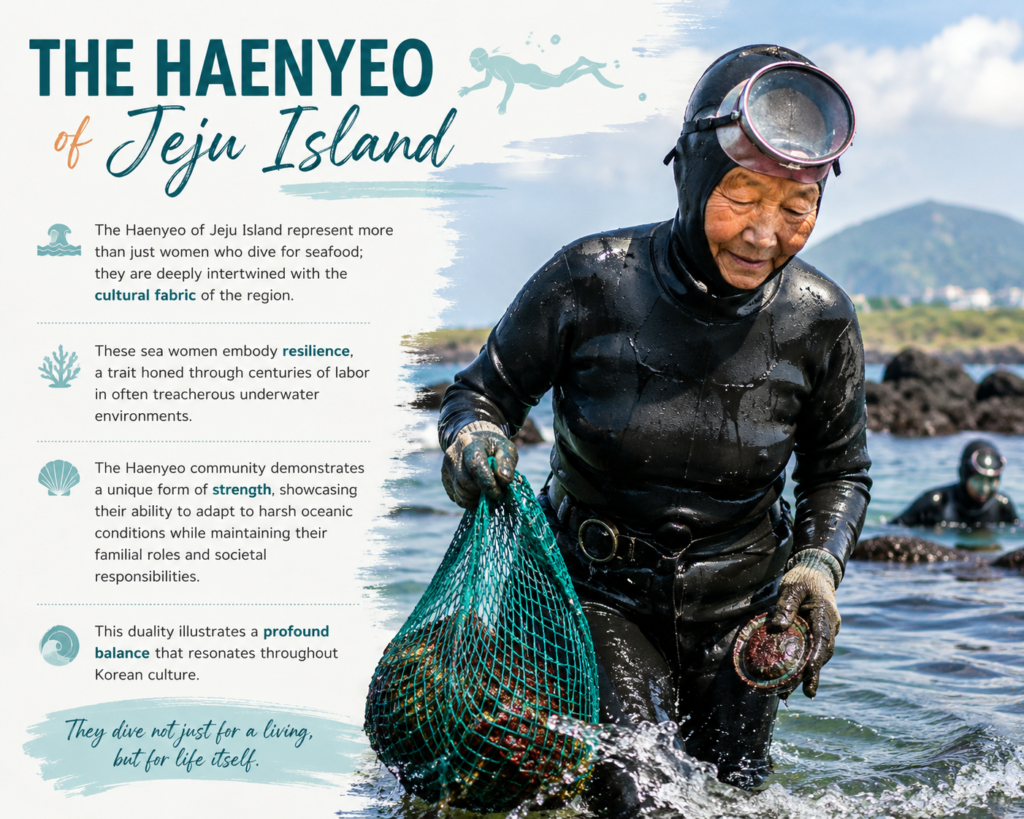
The Haenyeo of Jeju Island represent more than just women who dive for seafood; they are deeply intertwined with the cultural fabric of the region. These sea women embody resilience, a trait honed through centuries of labor in often treacherous underwater environments. The Haenyeo community demonstrates a unique form of strength, showcasing their ability to adapt to harsh oceanic conditions while maintaining their familial roles and societal responsibilities. This duality illustrates a profound balance that resonates throughout Korean culture.
Moreover, the Haenyeo are custodians of nurturing values, especially regarding the sustainable practices they employ in harvesting marine life. Their commitment to the ocean’s health reflects a broader cultural reverence for nature, where the sea is perceived not merely as a resource but as a vital force that sustains life. The practices of these women highlight the importance of environmental stewardship, emphasizing the need to respect and protect marine ecosystems. This intrinsic connection to sustainability has made the Haenyeo a symbol of harmony between humanity and nature.
In addition to their connection to nature, Haenyeo possess a unique social structure that fosters community well-being. They engage in cooperative diving, sharing resources and knowledge to ensure survival and success for all members involved. This sense of camaraderie not only strengthens community ties but also promotes a culture of collective responsibility and support. As such, the Haenyeo stand as symbols of interconnectedness in Korean society, illustrating how individual resilience contributes to the larger fabric of community strength.
Haenyeo Traditions and Rituals
The Haenyeo culture is rich with traditions and rituals that reflect the deep connection these women have with the sea and their community. One of the most significant elements of their cultural heritage is the annual festivals dedicated to honoring the sea and its bounty. The most notable of these is the Shinyo Jangsa, a ritual held to thank the sea for its resources, which is often accompanied by performances, music, and communal feasting. Such events foster a sense of community and solidarity among the Haenyeo, allowing them to celebrate their unique identity as sea women.
In addition to community festivals, the Haenyeo have specific rituals that precede their dives into the ocean. Before venturing underwater, they often perform a jeongsa ceremony, which includes a moment of meditation or prayer. This practice is believed to protect them from dangers at sea and invoke the spirits of their ancestors, a reflection of their spiritual beliefs intertwined with their daily labor. The rites vary among different groups, but they all emphasize respect for the ocean and gratitude for its offerings.
Another interesting aspect of Haenyeo culture is the practice of wearing tattoos, which historically served as symbols of their identity and experiences. Tattooing was often a rite of passage, marking a woman’s maturity and her readiness to engage in the rigorous work of diving. Despite the decline of this practice, the tattoos represent a rich legacy and are remembered in stories passed down through generations.
Altogether, the traditions and rituals of the Haenyeo not only preserve their unique identity but also impart valuable lessons about environmental stewardship and communal values, which are essential aspects of their enduring legacy in Korean culture.
The Haenyeo, or sea women of Jeju, have long stood as symbols of resilience and cultural heritage in South Korea. However, modern challenges pose significant threats to their traditional way of life. Chief among these concerns are economic pressures stemming from evolving market demands and the increasing difficulty in making a sustainable living from diving.
Tourism has intensified in Jeju, augmenting the local economy but also altering social dynamics. While the influx of visitors offers a potential market for Haenyeo’s catch, it also imposes competitive pressures. The desire for exotic experiences draws tourists away from local practices, leading to a decline in support for traditional fishing methods. Many younger individuals, attracted by the prospects of more lucrative careers in tourism or technology, are increasingly disinclined to pursue the heritage of their ancestors. This shift exacerbates the generational gap, placing the Haenyeo tradition at risk.
Moreover, environmental changes have a profound impact on the Haenyeo’s way of life. Climate change is causing shifts in marine ecosystems, resulting in diminished populations of shellfish critical to the Haenyeo’s livelihood. The marine biodiversity that sustains their diving practices is under threat from pollution, overfishing, and changing water temperatures, which challenges the sea women’s ability to maintain their traditional fishing methods.
In addition to these ecological and economic challenges, societal shifts are redefining the role of women in Korea. While historically revered for their contributions to family and community, Haenyeo are now navigating a landscape where their cultural significance may not align with contemporary views on gender roles and professional pursuits. The resultant pressure to conform to modern expectations can deter young women from embracing this arduous yet rewarding vocation. Overall, the culture of the Haenyeo faces critical trials as it strives to adapt to a rapidly changing world.
Efforts to Preserve the Haenyeo Culture
The Haenyeo culture, emblematic of Jeju Island’s rich maritime heritage, faces numerous challenges due to modernization and declining numbers of practitioners. In response, various initiatives have emerged to preserve and promote the unique traditions of these accomplished sea women. Foremost among these efforts is the robust involvement of government policies designed to protect the livelihoods and cultural practices of Haenyeo. The South Korean government, recognizing the significance of this heritage, has established programs that provide financial support and resources to these women, ensuring that their age-old skills are not lost to time.
Additionally, educational programs play a crucial role in preservation efforts. Local schools and cultural organizations have begun integrating Haenyeo culture into their curricula, educating young generations about the importance of their maritime heritage. Workshops and hands-on activities allow students to engage with Haenyeo practices directly, fostering a sense of pride and responsibility towards maintaining this unique lifestyle. Moreover, initiatives such as cultural festivals celebrate the Haenyeo way of life, attracting both domestic and international visitors while promoting awareness of their rich history.
Community efforts are also integral to the cause of preserving the Haenyeo culture. Local organizations and non-profits have taken the lead in organizing events that highlight the contributions of Haenyeo to the local economy and identity. These programs not only elevate the status of the women within society but also encourage intergenerational connections, which are vital for passing down skills and knowledge. By harnessing community support and involvement, these efforts ensure that the legacy of the Haenyeo continues to thrive in contemporary society.
Conclusion: The Future of Jeju Haenyeo Culture
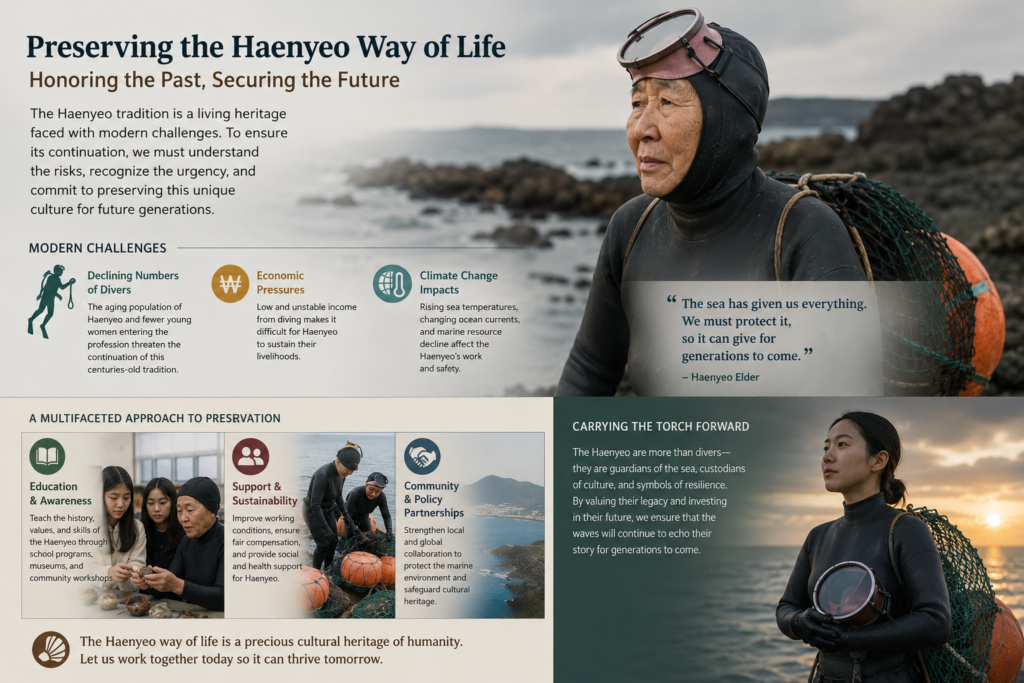
The Jeju Haenyeo culture, characterized by the remarkable underwater harvesting skills of the sea women, has been a vital part of Jeju Island’s legacy. As we reflect on the essence of this tradition, it becomes evident that the Haenyeo are not merely individuals who dive for shells and seafood; they symbolize resilience, community spirit, and harmonious coexistence with nature. Their unique practices have gained recognition not only for their cultural significance but also for the sustainable methods employed in resource harvesting.
However, the current trajectory of modern challenges poses significant threats to the continuation of the Haenyeo way of life. Factors such as declining numbers of divers, economic pressures, and the impacts of climate change are pressing issues that require urgent attention. The elder generation of Haenyeo, who have dedicated their lives to this demanding vocation, is aging, and fewer young women are taking up the mantle. This transition necessitates a multifaceted approach to preservation that includes education about the Haenyeo’s practices and the history of their contributions to the local economy and culture.
Tourism presents a unique opportunity for revitalization and support of the Haenyeo culture. Increased global interest in sustainable practices and cultural heritage can pave the way for initiatives aimed at educating visitors about this unique aspect of Jeju’s identity. By promoting respectful tourism that highlights the stories of the Haenyeo, communities can foster both appreciation and economic support for these extraordinary women. Collaborative efforts involving the local government, cultural organizations, and the Haenyeo themselves are crucial for ensuring the survival and revitalization of this invaluable tradition.
In summary, the future of Jeju Haenyeo culture hangs in the balance. Through concerted efforts, it is possible not only to preserve the legacy of these remarkable sea women but also to enhance their livelihoods, ensuring that the spirit of the Haenyeo continues to inspire generations to come.
Discovering the Hidden Charm of Cheonjiyeon Falls: A Comprehensive Travel Course Guide
🧩 Tour information site – wiztour.com
Related posts:
 The Ultimate Guide to Watching the Sunrise at Seongsan Ilchulbong: Tips, Photo Spots, and Local Eats
 Exploring Jeju: The Ultimate Coastal Driving Course from Yongmeori Coast to Hyeopjae Beach
 Discovering the Hidden Charm of Cheonjiyeon Falls: A Comprehensive Travel Course Guide
 Exploring Bijarim Forest: A Walking Tour and Healing Experience