
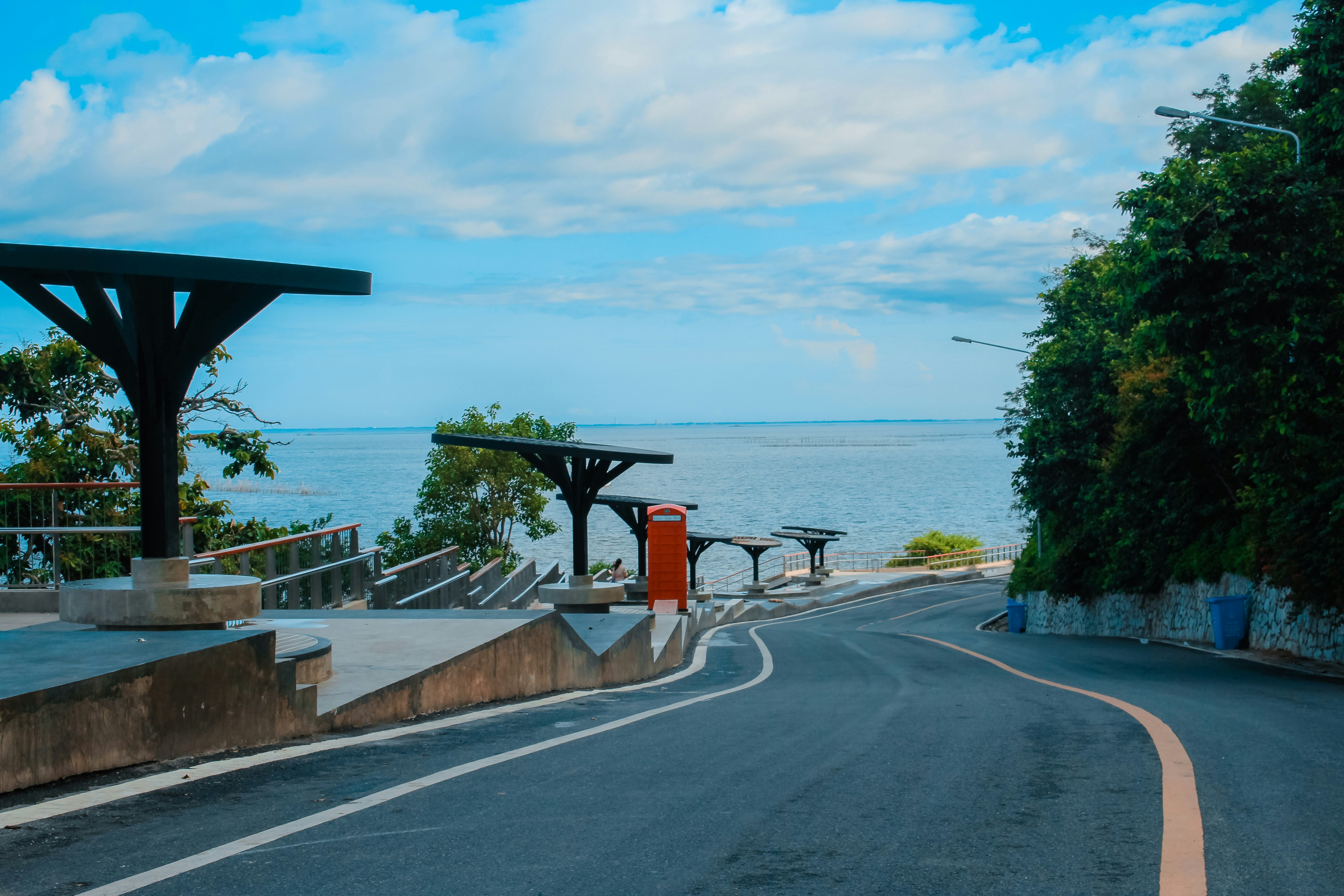
Aewol’s coastal road offers a measured way to experience Jeju Island beyond its attractions. The route follows the island’s northwestern edge, where sea views open between villages and the shoreline shifts from dark volcanic rock to small beaches and harbor edges. Rather than serving simply as a fast link between destinations, it invites drivers to slow down, notice changing light on the water, and make stops when a viewpoint or inviting café appears. Its appeal comes from this combination of accessible scenery and an unhurried pace, making the drive suitable for travelers who prefer exploration over a scheduled itinerary.
The route is best approached as a flexible sequence of pauses, not a challenge to cover distance quickly. A short drive may lead to a harbor walk, a photo stop above the water, or a coffee break in a window-side café; a longer outing can add a leisurely meal and time to explore lanes. This variety makes it easy to adapt the day to the weather and interests, whether the priority is enjoying the coastal scenery or combining the drive with food and coffee. Allowing time for stops helps preserve the character of the experience and leaves room for discoveries along the way.
Some practical planning helps keep the outing comfortable. Traffic can build near popular coastal areas, particularly during busy travel periods, and parking may be limited around cafés, beaches, and harbor viewpoints. Rain, wind, or low cloud can also change both the views and driving conditions, so check the forecast before leaving and remain flexible if conditions shift. Café and restaurant opening hours vary, and some businesses may close on particular days or outside peak seasons. Confirming current hours, road conditions, and parking options can prevent unnecessary detours. With a little preparation, Aewol’s shoreline becomes an easygoing drive shaped by scenery, refreshments, and stops chosen at your own pace.
A coastal drive through Aewol can be planned in either direction, so choose the starting point that best fits your lodging and the rest of your day. Travelers staying in Jeju City may find it convenient to begin near the city and follow the northwestern shoreline toward Aewol and neighboring coastal settlements. Those based farther west can reverse the route, while visitors arriving from another part of the island can select an endpoint that avoids unnecessary backtracking. Rather than follow a fixed sequence, use the coast road as a flexible framework and add stops that suit your interests.
Allow several hours for a relaxed outing, especially if you hope to visit cafés, browse local shops, enjoy a meal, or walk along the shore. The distance between points may look modest on a map, but the experience is not simply a short transfer from one destination to another. Time spent finding parking, waiting for a table, taking photographs, and exploring a beach or village can add up quickly. Choose a manageable number of stops, and leave room in the schedule for a longer visit where the scenery or atmosphere appeals to you. If you have only a limited window, prioritize a few places instead of trying to cover the entire northwestern coast.
Before setting out, enter each destination into a navigation app and check the suggested route, since traffic, roadworks, and changing conditions can affect travel times. Keep the app ready to use before moving, and pull over safely if you need to change your plans. Some coastal stretches are narrow or busy, and parking areas may be small; avoid sudden turns, stopping in the roadway, or rushed maneuvers when searching for a space. If a lot is full, continue to a designated alternative rather than blocking traffic. Café and restaurant hours can vary by day, season, or holiday, so confirm opening times and any reservation requirements for your intended visit. A little preparation makes it easier to adapt the route without turning a leisurely drive into a tight schedule.
Begin the drive toward Aewol at an unhurried pace, allowing the coastal scenery to emerge gradually rather than treating the route as a checklist of stops. As the road approaches the water, look for a safe, designated parking area before getting out. Coastal roads can be narrow and busy, and stopping on the shoulder may obstruct traffic or create risks for pedestrians. Once parked, take a moment to notice the contrast between the open sea and Jeju’s dark volcanic rock, which shapes much of the shoreline. The first wide view can be a rewarding introduction to the area, especially in clear weather, when the horizon seems to stretch beyond the low headlands.
For an easy opening stop, choose either a short walk beside the shore or a simple coffee break in the Aewol area. A brief shoreline stroll offers a closer look at the waves, rock formations, and small details that are easy to miss from the car. If a café visit suits the morning better, select a venue with a clear ocean view when that is a priority, and check its location and parking arrangements before setting out. Some places are especially popular at peak times, so a little flexibility can make the stop more comfortable. There is no need to plan an elaborate meal at this stage; a drink and a few quiet minutes may be enough to settle into the coastal rhythm.
Keep this first pause short and adaptable. The purpose is to ease into the drive, not to use up the time available before reaching other viewpoints or sitting down for a longer meal. Weather, traffic, and how busy a café feels can all affect the best choice, so be ready to adjust the plan. If the sea is particularly striking, stay a little longer; if conditions are less inviting, continue along the route and look for another suitable place to pause. Starting with a modest stop leaves room to discover more of Aewol’s shoreline at your own pace, while making the drive feel relaxed rather than rushed.
Aewol’s coastline is lined with cafés that make it easy to turn a scenic drive into a relaxed stop. Some venues occupy contemporary buildings with broad windows and terraces, framing views of the water from spacious interiors. Others are smaller and quieter, offering a more understated place to sit between stretches of coastal road. This variety is part of the appeal: there is no single café style that defines the area, and the setting, atmosphere, and facilities can differ considerably from one stop to the next.
Rather than choosing solely by a name or a photograph, consider what matters most for your visit. If the view is the priority, look for seating that faces the sea, while keeping in mind that the best tables may be occupied during busy periods. Check the menu for suitable drinks, desserts, or light meals, and consider whether you prefer a lively, popular setting or somewhere with a calmer pace. Parking is also worth checking before setting out, particularly if you are driving along the coast during a busy travel season. A little planning can help you select a stop that fits your route and expectations.
Cafe Bomnal and Monsant Jeju are recognizable names that travelers may encounter when researching Aewol’s café scene. Their visibility makes them useful reference points, but it should not be taken as a guarantee of a particular atmosphere, menu, or level of access on the day. Businesses may change their operating status, hours, or visitor arrangements, so verify current details through recent listings or the venue’s own channels before making a detour. With a flexible plan, you can enjoy the coastal scenery and choose a café that suits the moment, whether that means a window seat, a convenient parking option, or a quieter pause with coffee.
A drive along Aewol’s coast is best enjoyed at an unhurried pace, with brief walks and pauses between café or dining stops. Look for public seaside paths and harbor promenades where the ground is relatively even and access is clearly marked. These short stretches offer a chance to step out, feel the sea air, and see the shoreline from a different angle without turning the outing into a strenuous hike. Check local signs for opening hours, parking rules, and any temporary closures before setting off on foot.
Along the route, notice how the view brings together vivid blue water, dark volcanic rock, fishing boats, and low coastal buildings. The contrast can shift from one harbor or bend in the road to the next: boats may sit quietly in sheltered water, while waves break against exposed lava formations nearby. A short stop at a permitted lookout or public harbor area can reveal details that are easy to miss from the car, including working waterfront activity and the changing texture of the coast. Take photographs from designated spaces, paths, or safe viewpoints, and avoid stopping where vehicles or pedestrians need to pass.
Weather and sea conditions can alter the character of the drive throughout the day. Clear skies may sharpen the distinction between sea and shore, while cloud, wind, or mist can soften the horizon and make the coast feel more dramatic. Keep a light wind layer handy, since breezes can be stronger beside the water than they seem from inside a vehicle. Wet stone and sea spray can make rocks unexpectedly slippery, so do not climb onto exposed shoreline surfaces for a closer view. Respect barriers and restricted areas, especially around working harbors, and choose a different stop if a path is closed or conditions feel unsafe. These simple precautions leave more room to appreciate Aewol’s scenery at a comfortable pace.
A meal stop can be one of the most memorable parts of an Aewol coastal drive, adding a taste of Jeju’s food culture to the changing sea views. Rather than treating lunch or dinner as a quick break, allow time to choose a place that suits your appetite and the pace of your route. Restaurants range from casual noodle shops to seafood dining rooms, so a little planning can make the stop more enjoyable.
Fresh seafood is a natural choice along the coast. Depending on the restaurant and season, menus may feature fish, shellfish, or dishes prepared with abalone, a prized local ingredient often served in porridge, rice, or other hearty preparations. Grilled fish is another familiar option, while noodle dishes can provide a lighter or more convenient meal between scenic stops. Jeju black pork is widely associated with the island as well; it is often grilled and may be served with rice and side dishes.
Harbor-side seafood restaurants can be especially appealing, with views of fishing boats and the water adding to the meal. However, menus, prices, and ingredient availability vary from one business to another, and a coastal location does not guarantee that every item will be offered. Check recent reviews for comments on food quality, service, portion sizes, and value. Confirm business hours before setting out, particularly if you are visiting outside peak dining times or during a quieter season.
Choose a restaurant based on your appetite, budget, dietary needs, and how closely it fits your planned route. A popular stop may require extra driving or a wait, while a simpler café or noodle shop could keep the day moving. If anyone in your group has allergies or follows a dietary restriction, ask staff about ingredients, sauces, broths, and cooking methods before ordering. Clear questions can help identify suitable dishes, though preparation practices differ between establishments. With a flexible plan, the meal becomes a comfortable pause that complements the coastal scenery rather than an interruption to it.
A practical midday rhythm in Aewol balances coastal scenery with a meal without turning the drive into a checklist. If possible, reach a scenic stretch before the busiest period, when parking may be easier and viewpoints feel less crowded. Choose a shoreline road or lookout that suits your route, then leave the car in a designated space and take a short walk. Even a brief stroll along the coast creates time to enjoy the sea air, notice the changing light, and settle into the outing before stopping indoors. Check local conditions and parking restrictions in advance, especially on weekends.
After the walk, choose one café for coffee and a pause rather than hopping between several popular addresses. A single well-timed stop leaves room to sit, enjoy the view, and avoid spending much of the day looking for parking or waiting for a table. Before setting out, check opening hours, current notices, and whether the café accepts reservations; schedules can vary by day and season. If queues are already long, keep the stop brief or move on rather than letting one busy venue disrupt the rest of the plan. The aim is an unhurried break, not a tour of every café.
Continue to a preselected lunch restaurant, ideally one that fits naturally along the coastal route or offers convenient parking. Choosing the principal meal stop ahead of time makes the middle of the day easier to manage, particularly when popular restaurants have limited seating or peak-hour waits. Allow a realistic buffer for driving, finding a space, and being seated, and confirm the kitchen’s service hours before arrival. The order of activities is flexible: if a café opens later, or lunch crowds build early, eat first and take coffee afterward. Likewise, poor weather or heavy traffic may make a shorter walk preferable. Keeping the plan adaptable, with one café and one main meal, leaves time to appreciate Aewol rather than rushing between venues.
A scenic drive along Aewol’s coast is most enjoyable when safety takes priority over the view. Follow posted speed limits, traffic signals, lane markings, and other local road signs, even when roads appear quiet. Coastal routes can include bends, changing road widths, pedestrians, cyclists, and vehicles entering or leaving cafés and seaside businesses. Keep your attention on the road, leave a safe distance from the vehicle ahead, and avoid using a phone while driving. If you need to check directions or adjust your plans, pull over only at a safe, designated place.
Use marked parking areas at cafés, restaurants, and viewpoints, and check any signs for time limits or access restrictions. Never stop in a traffic lane or on a narrow shoulder to take photographs; an unexpected stop can endanger other road users and create congestion. Popular places may become crowded on weekends, public holidays, and during pleasant weather, so allow extra time for parking and expect queues. Some coastal roads are narrow, and opposing vehicles may need to pass carefully. Be patient, yield where appropriate, and do not block driveways, entrances, or local access roads while waiting for a space.
Responsible visits also help protect the communities and landscapes that make Aewol distinctive. Respect residents’ privacy and keep noise to a considerate level, particularly near homes and working areas. Fishing is part of everyday coastal life, so give fishers, equipment, and active work areas plenty of room; do not interfere with boats, nets, or other gear. Take rubbish with you or use appropriate bins, and never leave food packaging or cigarette waste behind. Stay on paths and designated viewing areas rather than climbing onto fragile rocks or coastal formations, which can be unstable and easily damaged. Before setting out, check the weather forecast and road conditions. Strong winds, rain, or poor visibility can make coastal driving less comfortable, and conditions may change during the day. A flexible itinerary makes it easier to wait, choose another stop, or turn back when conditions call for caution.
The best way to experience Aewol’s coastal road depends on the pace and mood you want from the day. A morning drive can provide a quieter start, with less pressure to fit several stops into a short window. Set out early, enjoy the changing views along the shore, and choose a café that is open and convenient for your route. This timing can also leave room to explore at an unhurried pace before the day becomes busier. Check opening hours in advance, since they can vary by day or season.
Midday is well suited to combining a scenic drive with café time and lunch. Rather than trying to visit every popular spot, select a few places that complement one another and allow enough time to park, walk, and enjoy the surroundings. A relaxed meal can serve as a natural pause between stretches of the coastal road. If a café or restaurant is a priority, confirm its current hours, menu, and reservation requirements before setting out. Keeping the itinerary flexible makes it easier to adapt if parking is limited or a stop is busier than expected.
Late afternoon may bring softer light across the water and a different feel to the coastline, making it a pleasant time for a final walk or photo stop. However, sunset visibility should not be treated as guaranteed: the season, cloud cover, and the specific viewpoint all affect what you can see. Plan around daylight and local conditions, and avoid rushing between stops to catch a particular moment. A manageable route, a small number of thoughtful breaks, and current information about businesses are more useful than an overfilled schedule. Leave time to pause by the sea, take in the scenery, and enjoy Aewol at the pace the day allows.
Diving into Jeju Haenyeo Culture: A Glimpse into the Lives of Sea Women
🧩 Tour information site – wiztour.com
Related posts:
 The Ultimate Guide to Watching the Sunrise at Seongsan Ilchulbong: Tips, Photo Spots, and Local Eats
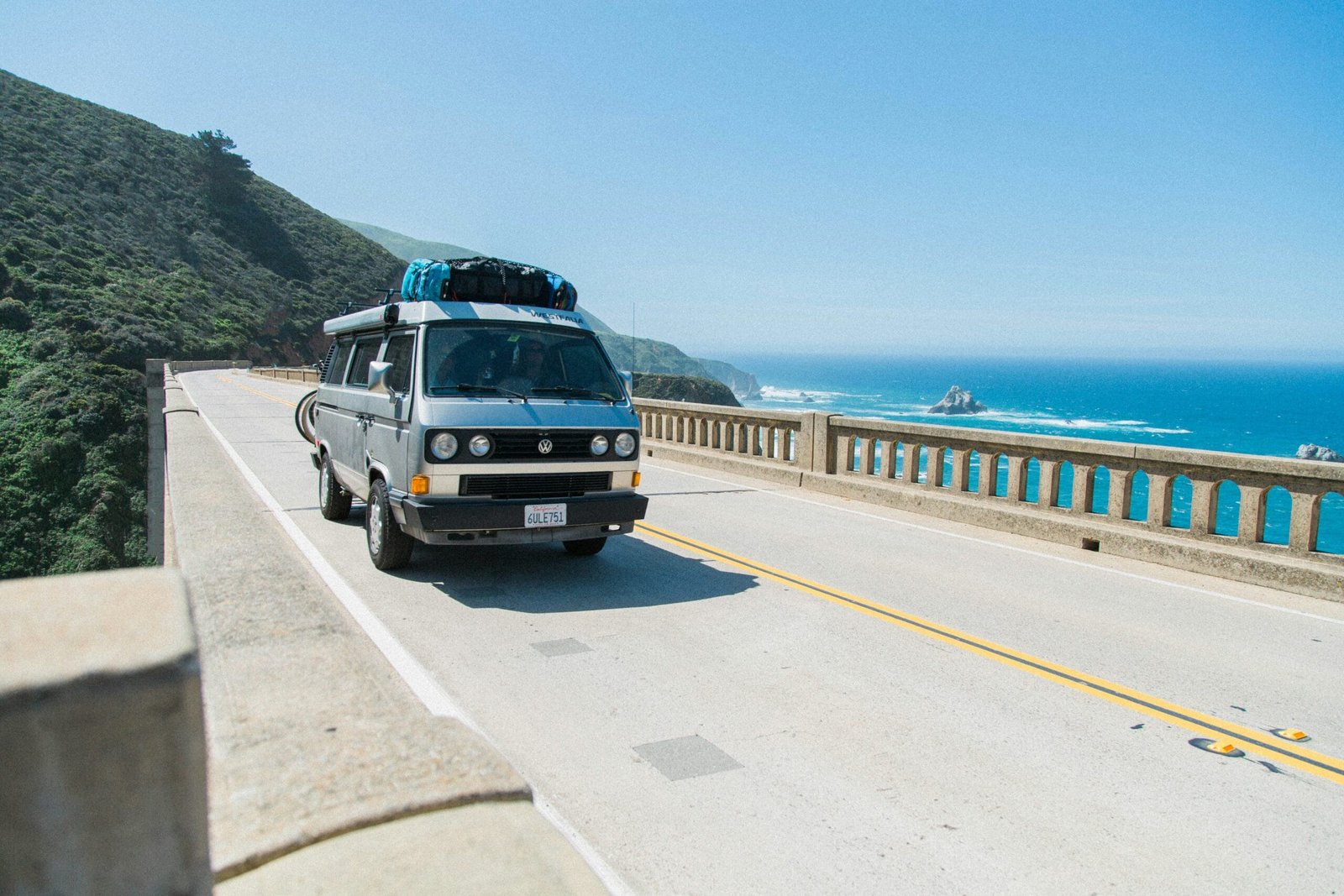 Exploring Jeju: The Ultimate Coastal Driving Course from Yongmeori Coast to Hyeopjae Beach
 Discovering the Hidden Charm of Cheonjiyeon Falls: A Comprehensive Travel Course Guide
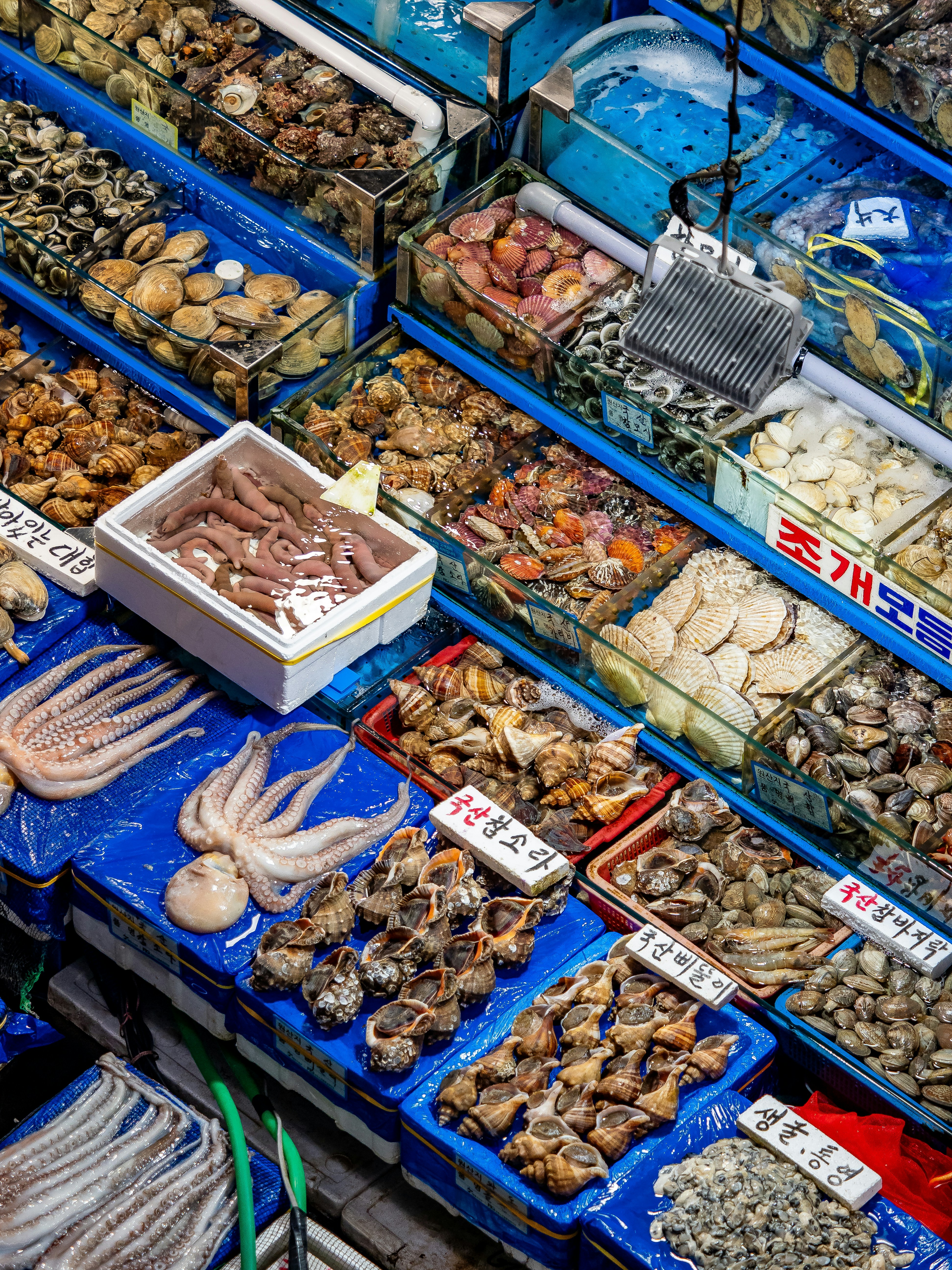 Diving into Jeju Haenyeo Culture: A Glimpse into the Lives of Sea Women